Uncorking Savings: Your Ultimate Guide to Energy-Efficient Wine Cooler Fridges in 2026
- Share
- Issue Time
- Jan 20,2026
Summary
Discover how to choose an energy-efficient wine cooler that protects your collection and lowers your electricity bills.
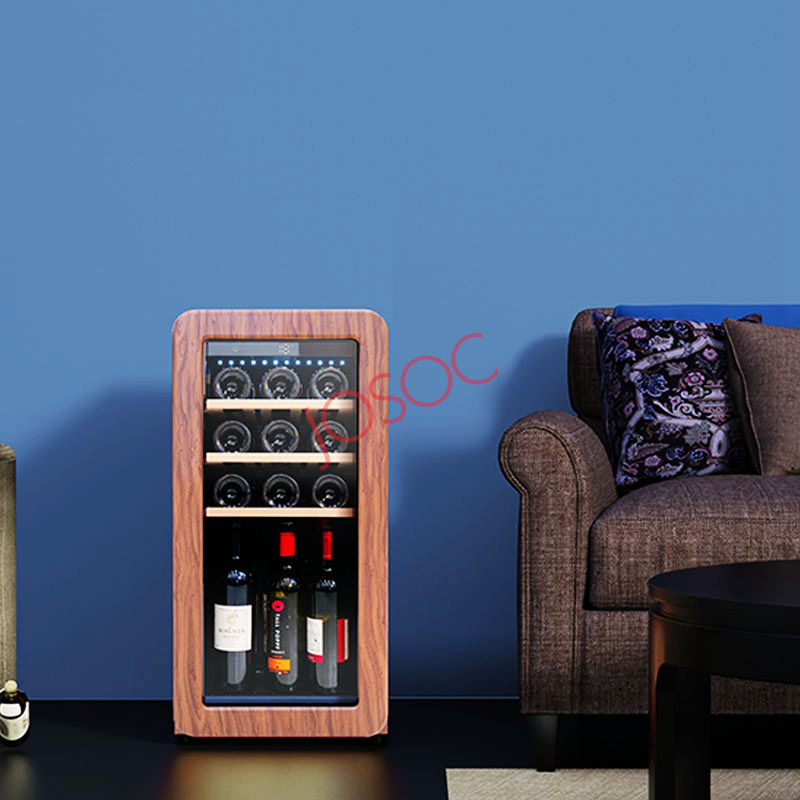
A passion for wine goes hand-in-hand with a commitment to preserving it perfectly. A dedicated wine cooler fridge is not just a luxury; it's an essential tool for any collector, ensuring every bottle is stored at the ideal temperature and humidity to mature gracefully. But as this appliance runs 24/7, its energy consumption is a critical factor that impacts both your wallet and the environment. Choosing an energy-efficient model isn’t about compromise—it’s about making a smart, sustainable investment that offers long-term benefits.
Energy-efficient wine fridges are designed to minimize electricity use without sacrificing performance. This translates directly to lower monthly energy bills, a reduced carbon footprint, and often, a longer lifespan for the appliance itself due to less wear and tear on its components. In this guide, we will explore the key elements of an energy-efficient wine cooler, empowering you to make an informed decision that protects your wine and your finances.
Why Energy Efficiency Matters for Your Wine Collection
Preserving wine is a delicate science, and an energy-efficient cooler is central to this process. An efficient unit provides a stable temperature environment, which is crucial for preventing premature aging or spoilage. In contrast, a poorly designed fridge can struggle to maintain a consistent temperature, causing it to run excessively and risk the integrity of your collection. By choosing efficiency, you're not just saving money; you're ensuring your wine is protected under optimal conditions. The benefits extend beyond cost savings to environmental responsibility and the longevity of the appliance itself.
Compressor vs. Thermoelectric: The Great Cooling Debate
The heart of any wine cooler is its cooling system. The two dominant technologies are compressor-based and thermoelectric, each with distinct implications for energy use. Compressor coolers, similar to standard kitchen refrigerators, use a refrigerant and a compressor to powerfully cool the interior. They are highly effective in a wide range of ambient temperatures and are ideal for larger collections. Modern compressors using refrigerants like R600a are significantly more efficient than older models.
Thermoelectric coolers use the Peltier effect, a solid-state method that transfers heat from one side of a device to the other. They are exceptionally quiet and vibration-free, which is excellent for wine. However, their efficiency is highly dependent on the ambient room temperature; they work best in cooler, stable environments and are less suitable for hot climates or garages.
| Feature | Compressor Cooler | Thermoelectric Cooler |
|---|---|---|
| Cooling Power | High; effective in warm environments | Moderate; best in stable, cool rooms |
| Energy Efficiency | High (cycles on/off) | Variable (runs continuously) |
| Vibration | Minimal (with good damping) | Virtually none |
| Noise Level | Low hum | Very quiet |
| Capacity | Ideal for all sizes, especially large | Best for small to medium collections |
| Lifespan | Generally longer | Can be shorter due to constant operation |
Decoding Energy Labels and Certifications
When shopping for a wine cooler, look for official energy certifications. Labels like the Energy Star rating in the United States or the A-G energy labels in Europe provide a clear, standardized measure of an appliance's efficiency. An Energy Star-certified wine cooler, for instance, meets strict guidelines set by the Environmental Protection Agency, ensuring it uses less energy than a standard model without sacrificing features or performance. These labels are your first clue to a unit's long-term running costs.

The Impact of Size and Capacity on Power Consumption
The size of your wine fridge has a direct correlation with its energy use. A larger unit naturally requires more power to cool its internal volume. However, efficiency is also about usage. A large, half-empty cooler wastes energy cooling air. Conversely, a unit that is too small for your collection and constantly over-packed will obstruct airflow, forcing the cooling system to work harder and less efficiently. The key is to choose a cooler that matches your current collection size with a small allowance for future growth. A properly stocked fridge maintains its temperature more effectively because the bottles themselves retain cold, acting as thermal mass.
Glass Doors and UV Protection: A Balancing Act
Glass doors offer a beautiful way to display your collection, but they can be a weak point for insulation. To counter this, look for wine coolers with double- or even triple-paned glass doors. These panes create insulated gas-filled layers that significantly reduce heat transfer. Furthermore, it's crucial that the glass is tinted or coated with a UV-protective layer. Ultraviolet light from the sun or even indoor lighting can degrade wine over time, altering its flavor and aroma. An efficient wine cooler balances aesthetics with protection.

Insulation and Build Quality: The Unseen Heroes
Superior insulation is the cornerstone of energy efficiency. A well-insulated cabinet prevents cold air from escaping and warm air from entering, which reduces how often the cooling system needs to run. High-quality foam insulation within the walls and a tight, secure door seal are non-negotiable features. When inspecting a unit, check the quality of the door gasket. A flimsy or ill-fitting seal is a major source of energy loss. This unseen feature plays a massive role in the cooler's performance and long-term running costs.
Single Zone vs. Dual Zone: Which is More Efficient?
Wine coolers are available in single-zone and dual-zone configurations. Single-zone models maintain one consistent temperature throughout the unit, making them ideal for storing one type of wine. Dual-zone models have two independently controlled compartments, perfect for storing both red and white wines at their respective ideal serving temperatures. While incredibly convenient, dual-zone coolers are inherently less energy-efficient than single-zone models of a similar size, as the system must manage two separate thermal environments. If you primarily collect one type of wine, a single-zone unit is the more energy-conscious choice.
Smart Features That Slash Your Energy Bill
Modern wine coolers are equipped with features designed to enhance efficiency. LED lighting is now standard, as it produces almost no heat compared to traditional incandescent bulbs, preventing the cooling system from working to offset extra warmth. Other features to look for include a door alarm that alerts you if the door is left ajar, and digital touch controls that allow you to set a precise temperature without opening the door and letting cold air out. Some high-end models even offer smart connectivity, allowing you to monitor and adjust settings remotely.
Optimal Placement for Maximum Efficiency
Where you place your wine cooler dramatically affects its energy consumption. For peak performance, install it in a cool, well-ventilated area away from direct sunlight and heat-producing appliances like ovens or dishwashers. The ambient heat forces the cooler to work harder. Ensure there is adequate clearance around the unit—especially at the back and sides—for proper ventilation. This is particularly crucial for freestanding models, as it allows the condenser coils to dissipate heat effectively. Ignoring installation guidelines is one of the most common causes of inefficiency and can shorten the appliance's lifespan.
Maintenance Tips for Peak Performance
Regular maintenance is key to keeping your wine cooler running efficiently for years. Simple habits can make a big difference:
- Clean the Condenser Coils: For compressor models, the coils on the back can accumulate dust, which insulates them and reduces their ability to release heat. Unplug the unit and gently vacuum or brush the coils every six months.
- Check the Door Seal: Regularly inspect the magnetic door seal for any cracks or gaps. A simple test is to close the door on a piece of paper; if you can pull it out with no resistance, the seal may need to be replaced.
- Keep It Stocked: As mentioned, a full (but not overcrowded) fridge is more efficient. The thermal mass of the bottles helps regulate the internal temperature.
- Minimize Door Openings: Plan ahead and decide which bottle you want before opening the door. Each opening allows cold air to escape and warm air to rush in, forcing the compressor to cycle on.
- Defrost When Necessary: If your model is not frost-free, defrost it when you see ice buildup of more than a quarter-inch, as frost can act as an insulator and reduce cooling efficiency.