The Ultimate Guide to a Dry Age Meat Fridge: Unlocking Steakhouse-Quality Flavor at Home
- Share
- Issue Time
- Sep 10,2026
Summary
Discover why a dedicated dry age meat fridge is the ultimate tool for any serious meat lover. This guide explores how to achieve unparalleled flavor, supreme tenderness, and complete control over your gourmet steak experience right from your own kitchen.
Why Just a Regular Fridge Won't Cut It
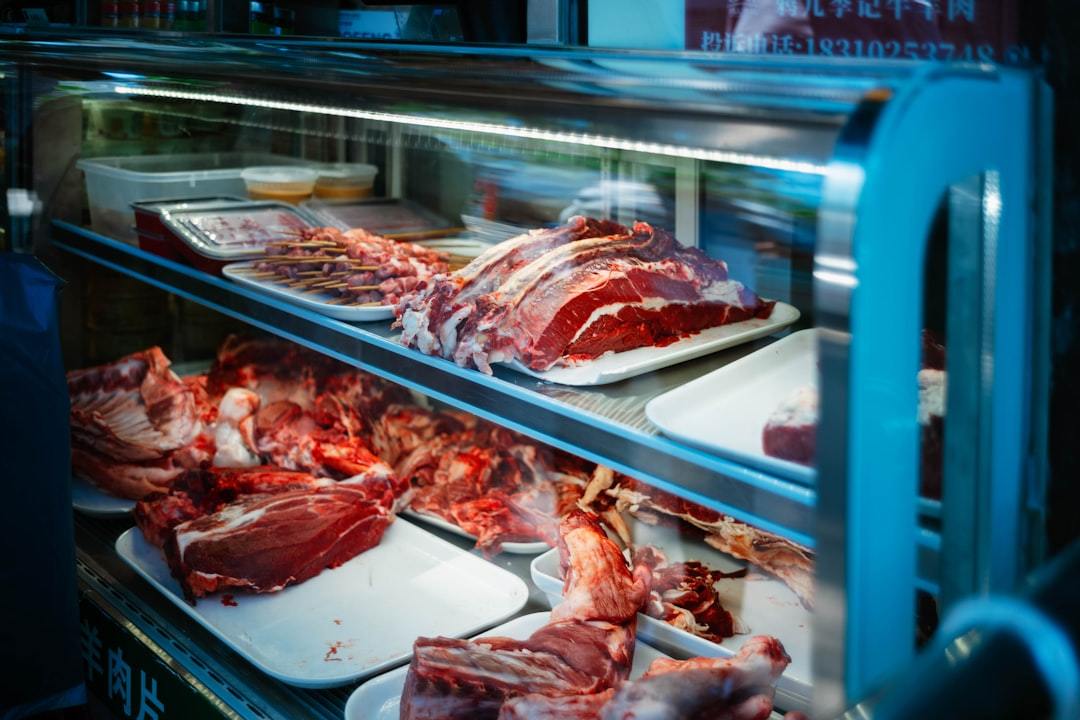
If you're a true steak aficionado, you've likely heard the revered term 'dry-aged.' It represents the pinnacle of flavor and tenderness, a process once confined to high-end steakhouses and artisan butcher shops. While some home methods involve special bags in a standard refrigerator, they don't compare to the precision of a dedicated unit. A regular fridge is designed to keep a wide variety of foods fresh by maintaining low temperatures and removing moisture to prevent spoilage. A dry age meat fridge, however, is a finely tuned instrument. It creates a perfect micro-environment by precisely managing temperature, humidity, and airflow, which are crucial for the art of aging.
What Exactly is a Dry Age Meat Fridge?
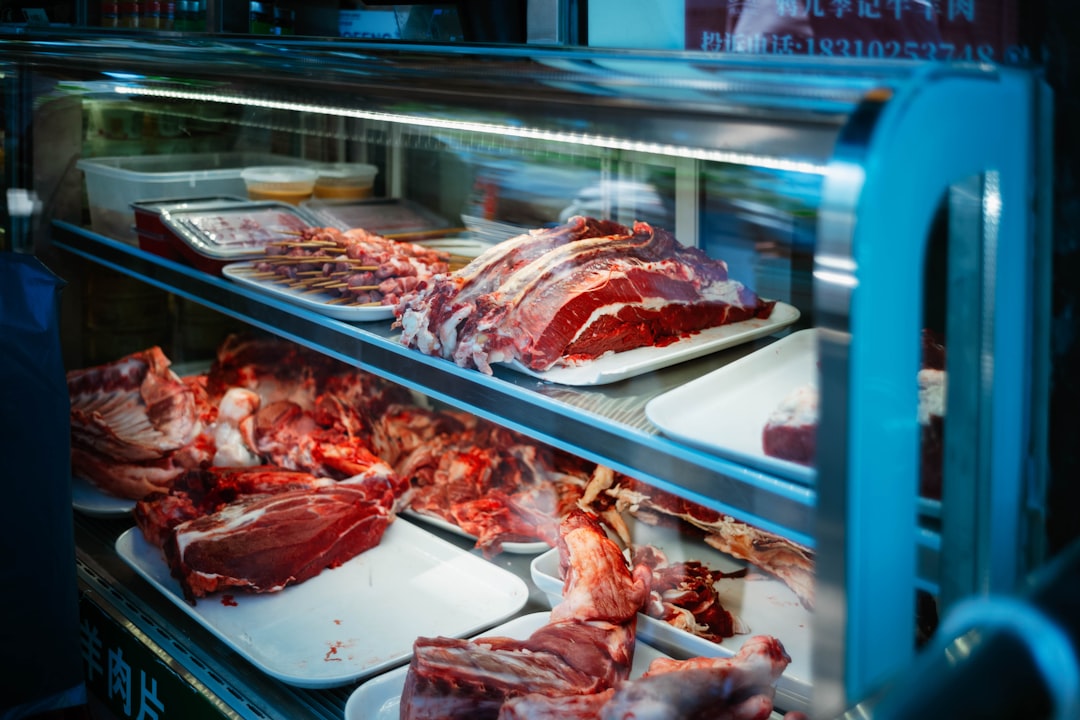
A dry age meat fridge is a specialized appliance engineered for one primary purpose: to age meat in a perfectly controlled environment. This ancient technique allows the meat's natural enzymes to work their magic. These enzymes break down tough connective tissues, while moisture slowly evaporates from the cut. This dual process results in two key outcomes: unbelievable tenderness and a deeply concentrated, complex beefy flavor that is simply unattainable in fresh meat.
The Science of Flavor Transformation
The magic of dry aging lies in two fundamental processes. First, evaporation. As the meat loses water, its flavor becomes much more concentrated and robust, much like reducing a sauce to intensify its taste. The second part is enzymatic action. The natural enzymes within the beef busy themselves breaking down muscle fibers and collagen, the connective tissues that make meat tough. This process not only tenderizes the meat to a buttery, melt-in-your-mouth texture but also develops the signature nutty, and profoundly rich flavor profile that is the hallmark of a premium dry-aged steak.
Unlocking Unparalleled Tenderness
There's tender, and then there's dry-aged tender. While any good cut of beef can be tender, the aging process takes it to a whole new level. The enzymatic breakdown of muscle fibers results in a texture that is dramatically more succulent and soft than its non-aged equivalent. After a cycle in a dry age fridge, steaks require less effort to chew and offer a far more luxurious dining experience. This level of tenderness is something that simply cannot be replicated by any other method.
You Are the Master of Your Meat
One of the greatest benefits of owning a dry age meat fridge is the complete control it gives you. You are no longer limited to the aging preferences of a butcher or restaurant. Do you prefer the subtle nutty notes of a 28-day aged steak? Or do you crave the more intense, funky complexity of a 60-day age? With your own unit, you can experiment with different aging times, cuts of meat, and discover your personal sweet spot for flavor and texture. This journey of experimentation is part of the deep satisfaction of the process.
Choosing the Right Cut for Dry Aging
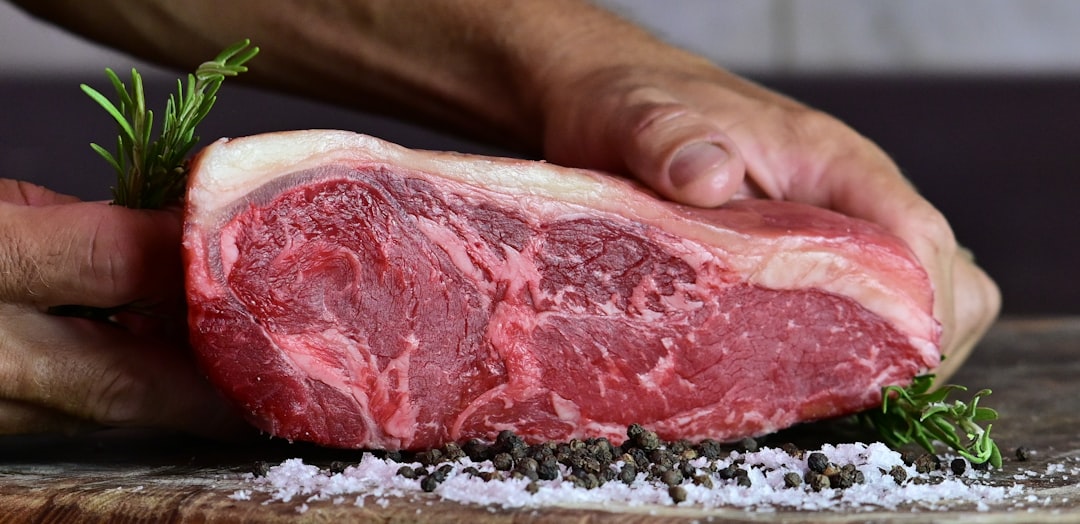
The success of your dry-aging adventure begins with selecting the right meat. It is crucial to start with large, whole subprimal cuts, not individual steaks. Aging single steaks results in excessive moisture loss and trim, leaving you with very little edible product. Look for cuts with good fat marbling (like USDA Choice or Prime) and a protective layer of fat. The fat contributes to the flavor development and protects the meat during aging.
Excellent Cuts for Home Dry Aging:
- Bone-in Ribeye (Rib Roast)
- Strip Loin (New York Strip)
- Sirloin
- Porterhouse
Step-by-Step: Your First Dry Aging Cycle
- Select Your Meat: Purchase a high-quality, subprimal cut like a bone-in ribeye from a trusted butcher.
- Prepare the Fridge: Ensure your dry age fridge is clean and set to the optimal parameters. Typically, this is a temperature between 34-38°F (1-3°C) and humidity between 60-85%.
- Place the Meat: Position the meat on an open wire rack inside the unit. Proper airflow on all sides is essential, so do not let it sit in a pan or touch the walls of the fridge.
- Wait Patiently: Let the aging process begin. For a first attempt, an aging period of 21 to 28 days is a great starting point.
- Monitor the Process: Check on your meat periodically. You will notice it slowly darkens and a hard, dry crust, known as the pellicle, forms on the outside.
- Trimming the Pellicle: Once the aging is complete, you must trim away the dark, hard pellicle from all sides. This will reveal the beautifully ruby-red, tender meat inside, ready for cutting into individual steaks.
Safety, Sterilization, and Peace of Mind
Attempting to dry age in an uncontrolled environment carries risks of spoilage and harmful bacteria. A professional dry aging cabinet mitigates these risks substantially. Many units come equipped with features like UVC sterilization lights and activated carbon filters. These systems work to purify the air inside the cabinet, eliminating unwanted bacteria and mold, ensuring that the only transformation happening is the delicious kind.
The Impressive Crust and Sear
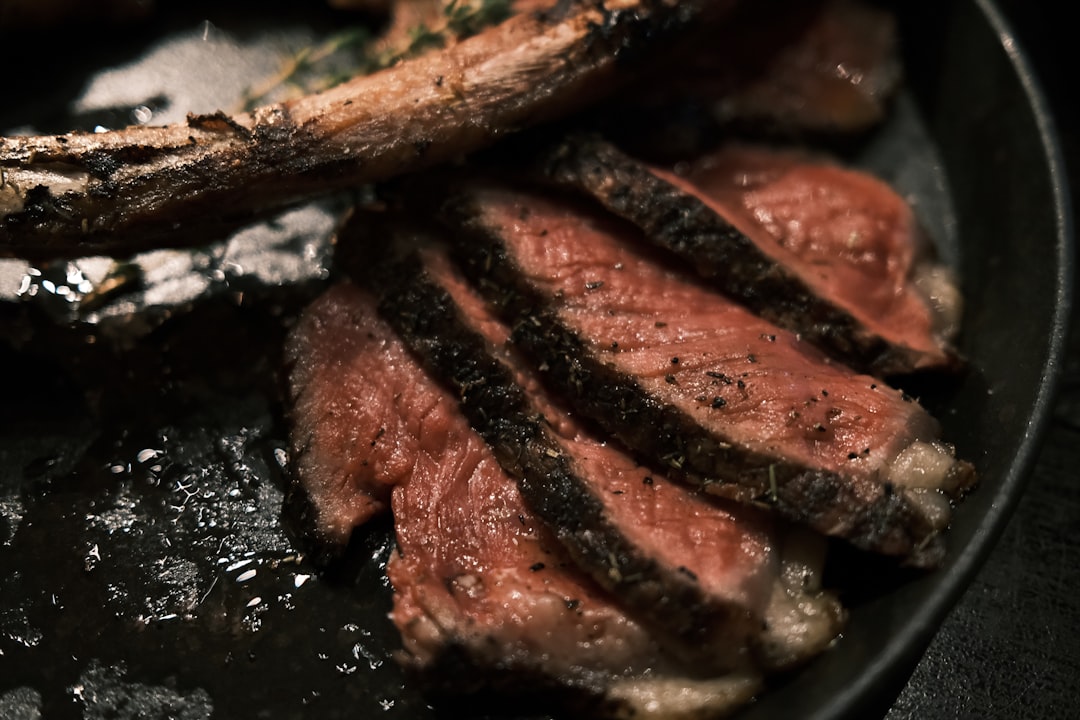
An often-overlooked benefit of dry aging is its effect on the cooking process. The surface of a dry-aged steak is significantly drier than a fresh one. Since moisture is the enemy of a good sear, this dry surface allows for the rapid creation of a deep, crisp, and marvelously caramelized crust when the steak hits a hot pan or grill. This perfect crust provides a fantastic textural contrast to the incredibly tender interior, completing the perfect steak experience.
More Than Just Beef: A Versatile Appliance
While beef is the star of the show, a high-quality dry aging fridge is a versatile machine. The same controlled environment perfect for aging steaks can also be used for other culinary projects. You can use it to cure your own charcuterie like salami and ham, or even to age certain types of firm cheese, further expanding your gastronomic horizons.
Is a Dry Age Fridge a Worthwhile Investment?
For the casual cook, perhaps not. But for the dedicated home chef, BBQ enthusiast, or anyone passionate about achieving the absolute best in meat quality, a dry age meat fridge is a game-changer. It represents a commitment to flavor, a journey into the art and science of meat, and the ability to produce results that rival the most exclusive steakhouses. It transforms a simple meal into a culinary event, all from the comfort of your own home.