The Ultimate Guide to Wine Coolers: Preserving Every Sip with Perfect Temperature Control
- Share
- Issue Time
- Jan 16,2026
Summary
Unlock the full potential of your wine collection.
Why Proper Wine Storage is Non-Negotiable
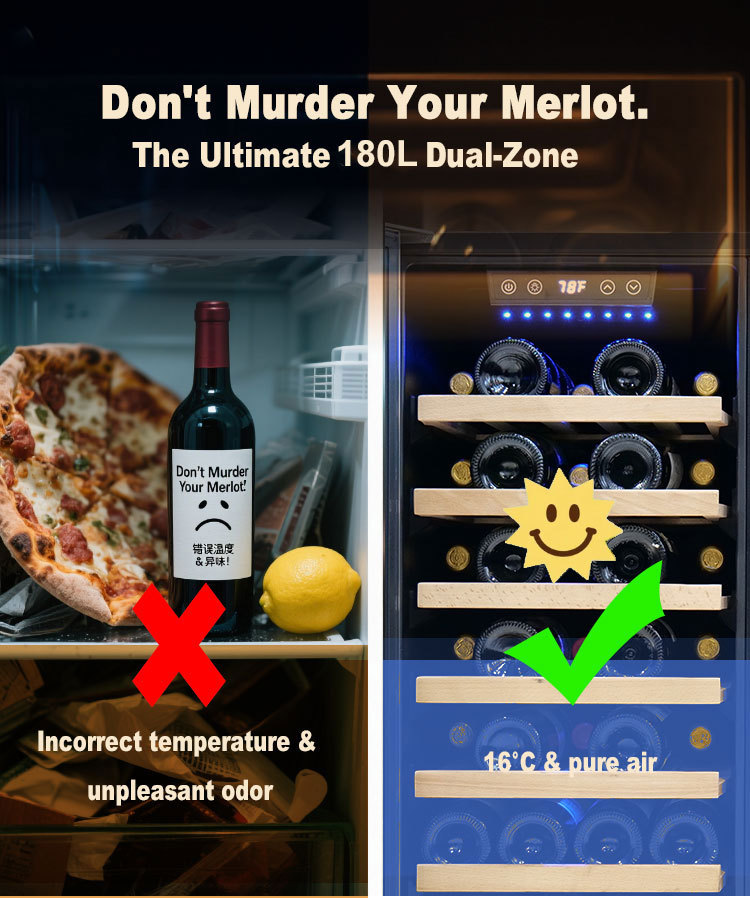
Every bottle of wine is the culmination of a winemaker's craft, a story of a specific time and place. However, all that potential can be undone by improper storage. Wine is a delicate, living beverage, and its greatest enemies are unstable environments. The primary threats—heat, temperature fluctuations, UV light, vibration, and incorrect humidity—can irrevocably damage a wine's flavor, aroma, and aging potential. Storing wine in a standard kitchen refrigerator or a warm pantry is a common mistake; kitchen fridges are too cold and dry, while room temperature accelerates the aging process, sometimes four times faster than in a proper cellar. A wine cooler fridge is not a luxury but a necessity for anyone who values their wine and wishes to enjoy it as the creator intended.
The Science of Spoilage: How Temperature Wrecks Wine
Temperature is the single most critical factor in wine preservation. Exposing wine to heat, even for short periods, can "cook" it, resulting in flat, lifeless flavors and a loss of character. This is because heat speeds up the chemical reactions within the bottle, causing premature and undesirable aging. Conversely, temperatures that are too cold can stunt the wine's development, and freezing can cause the liquid to expand, potentially pushing the cork out and leading to oxidation. Even more damaging than incorrect temperature is inconsistency. Temperature fluctuations cause the bottle and cork to expand and contract, breaking the cork's seal, allowing oxygen to seep in, and spoiling the wine.
Finding the Sweet Spot: Ideal Temperatures for Your Collection
Different wines demand different storage and serving temperatures to express their best characteristics. While a general rule is to store all wine long-term at a consistent cellar temperature around 12-14°C (55-57°F), serving temperatures vary. A wine cooler, especially a dual-zone model, allows you to keep wines at their ideal long-term storage temperature or have them ready at the perfect serving temperature.
| Wine Type | Recommended Storage/Serving Temperature | Notes |
|---|---|---|
| Full-Bodied Reds | 15-18°C (59-65°F) | Allows complex aromas and tannins to soften. (e.g., Cabernet, Syrah) |
| Light-Bodied Reds | 12-14°C (54-57°F) | Preserves delicate fruit notes. (e.g., Pinot Noir, Beaujolais) |
| Full-Bodied Whites | 10-13°C (50-55°F) | Balances richness with acidity. (e.g., Oaked Chardonnay, Viognier) |
| Light-Bodied Whites | 7-10°C (45-50°F) | Enhances crispness and fresh aromas. (e.g., Sauvignon Blanc, Pinot Grigio) |
| Sparkling & Rosé | 5-8°C (41-46°F) | Maintains effervescence and zesty acidity. (e.g., Champagne, Prosecco) |
Beyond Temperature: The Crucial Role of Humidity
Humidity is a silent guardian for your wine collection, and its importance cannot be overstated. The ideal humidity level for wine storage is between 60% and 70%. If the environment is too dry, wine corks can dry out, shrink, and crack. This compromises the airtight seal, allowing oxygen to enter the bottle and cause oxidation, which ruins the wine. On the other hand, excessively high humidity can lead to mold and mildew on the labels and corks, which, while not typically harming the wine itself, can destroy the bottle's aesthetic and resale value. A quality wine cooler is engineered to maintain this perfect humidity balance, ensuring the corks remain elastic and the seal intact.
What is a Wine Cooler Fridge and How Does it Work?
A wine cooler fridge is a specialized appliance designed to create the perfect micro-environment for wine storage. Unlike a standard refrigerator, it maintains a precise temperature and humidity level, protects bottles from UV light and vibration, and Cprovides organized storage. These units use one of two main cooling technologies: compressor-based systems or thermoelectric systems. Understanding the difference is key to choosing the right cooler for your needs.
Compressor vs. Thermoelectric: Which Cooling System is Right for You?
The engine of your wine cooler will significantly impact its performance, placement, and price.
- Compressor Wine Coolers: These operate like a standard kitchen refrigerator, using a refrigerant and a compressor to cool the interior. They are powerful, capable of reaching and maintaining very low temperatures even in warm ambient environments, and are generally more energy-efficient for long-term use as they cycle on and off. However, they can produce subtle vibrations and a low hum.
- Thermoelectric Wine Coolers: These use the "Peltier effect," passing an electric current through a ceramic tile to transfer heat from the inside to the outside. They are virtually silent and vibration-free, which is ideal for protecting delicate, aging wines. However, their cooling power is dependent on the ambient temperature and they are less effective in hot rooms or climates.
For serious collectors or those living in warmer areas, a compressor-based model is often the more reliable choice. For smaller collections in quiet living spaces, a thermoelectric unit can be perfect.
Single-Zone vs. Dual-Zone Coolers: A Collector's Dilemma
One of the most important decisions when buying a wine cooler is choosing between a single-zone or dual-zone model.
Single-Zone Coolers: These maintain one consistent temperature throughout the unit. They are perfect for enthusiasts who primarily collect one type of wine (e.g., only reds) or for those who want to cellar their entire collection at the universally accepted aging temperature of 55°F (13°C).
Dual-Zone Coolers: These feature two independently controlled compartments, allowing you to store different types of wine at their ideal respective temperatures simultaneously. For example, you can keep reds at 16°C (61°F) in one zone and whites at 8°C (46°F) in the other, ensuring both are always ready to serve. This flexibility is invaluable for diverse collections.

Key Features to Look For in a Modern Wine Cooler
When shopping for a wine cooler, look beyond just capacity and temperature zones. Certain key features indicate a high-quality unit designed for optimal wine preservation:
- UV-Protected Glass Door: Direct sunlight is harmful to wine, as UV rays can degrade its complex organic compounds. A tinted, dual-paned, or specially coated glass door is essential to shield your collection.
- Vibration-Dampening System: Vibrations can disturb the natural sediment in aging wines and negatively affect their chemical structure. Look for coolers with features like rubber-mounted compressors and sturdy, non-vibrating shelving.
- Adjustable, Scalloped Shelving: Shelves, often made of wood, should be scalloped to hold bottles securely on their side, keeping the corks moist. Adjustable or removable shelves are a plus for accommodating larger or oddly-shaped bottles like those for Champagne or Riesling.
- Digital Temperature Control: Precise, easy-to-use digital controls allow you to set and monitor the temperature without opening the door and disrupting the internal environment.
- Carbon Filter: An integrated carbon filter helps to purify the air inside the cooler, preventing any strong odors from penetrating the corks and tainting the wine over time.
Installation and Placement: Setting Up Your Cooler for Success
Proper placement is crucial for your wine cooler's efficiency and longevity. Always follow the manufacturer’s guidelines. Freestanding models require several inches of clearance around the back and sides for proper ventilation to dissipate heat. Built-in models are front-venting and can be installed flush with your cabinetry for a seamless look. Regardless of type, place the unit on a level surface away from direct sunlight and other heat sources (like ovens or dishwashers) to ensure it operates efficiently.
Maintaining Your Wine Cooler for Longevity and Performance
A wine cooler is a low-maintenance appliance, but a few simple steps will ensure it performs optimally for years to come. Periodically, wipe down the interior with a mild, unscented cleaner to prevent any odor buildup. Check the door seal regularly to ensure it remains tight and prevents cool air from escaping. Keep the ventilation grilles free of dust and obstructions to allow for proper airflow. By taking these small steps, you protect your cooler, and in turn, you protect your valuable wine collection. This investment is not just in an appliance, but in the future enjoyment of every bottle you collect and savor.