The Ultimate Guide to OEM Beverage & Wine Coolers: Building Your Brand
- Share
- Issue Time
- Nov 11,2026
Summary
Discover the strategic advantages of OEM beverage and wine coolers. This guide explores the entire process, from design and customization to selecting the right manufacturing partner, helping you create a product that elevates your brand and captures the market.
Your Brand, Your Cooler: The Definitive Guide to OEM Beverage and Wine Coolers
In a competitive market, generic solutions rarely make a lasting impression. For beverage brands, distributors, and hospitality businesses, the cooler that chills and displays your products is a powerful marketing tool. Original Equipment Manufacturing (OEM) and private label partnerships offer a direct path to transforming a simple appliance into a bespoke brand ambassador. By leveraging OEM, you can deliver a premium experience, control your market presence, and offer a product perfectly tailored to your customer base. This guide explores the essential steps and strategic benefits of developing your own custom beverage and wine cooler.
## What is an OEM Beverage Cooler?
An OEM beverage cooler is a refrigeration unit produced by a specialized manufacturer but sold under another company's brand. The manufacturer provides the core engineering, production facilities, and technical expertise, while the brand dictates the specifications, features, and design. This collaboration allows businesses to launch high-quality, customized products without investing in their own factory infrastructure. The process ranges from simple private labeling (adding a logo to an existing model) to full-scale ODM (Original Design Manufacturing), where a new product is developed from the ground up.
## Why Choose OEM? The Strategic Advantages
Partnering with an OEM manufacturer offers more than just a custom logo; it provides a significant competitive edge. It allows brands to stand out in crowded retail environments where generic coolers cause products to blend together. By creating a unique appliance, you control the visual narrative, enhance brand recall, and drive impulse sales.
Key benefits include:
- Brand Differentiation: Custom aesthetics, from unique colors and handle styles to full-body graphic wraps, ensure your cooler commands attention.
- Increased Profit Margins: Direct sourcing and control over features allow for more competitive pricing and better profitability compared to reselling national brands.
- Market Agility: OEM partnerships enable brands to respond quickly to market trends, launching models with new features or sizes faster than larger, established companies.
- Product Exclusivity: Offering a unique product that is only available through your brand builds customer loyalty and creates a dedicated revenue stream.
## The OEM Customization Checklist: From Concept to Cooler
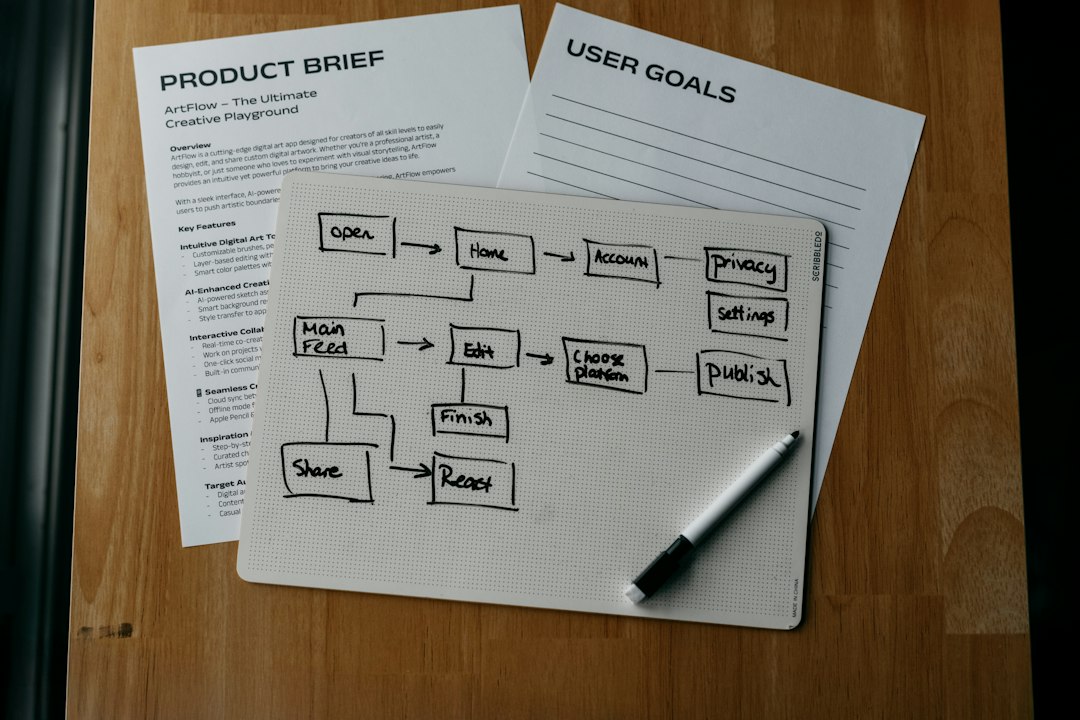
The most successful OEM projects begin with a detailed and comprehensive brief. A clear plan prevents delays and ensures the final product aligns perfectly with your vision. The process involves two main components: technical configuration and brand presentation. It is crucial to manage these as a single, integrated system to avoid compliance and production issues.
## Step 1: Defining the Technical Foundation
Before focusing on aesthetics, you must first define the cooler's core function and technical specifications. This is the most critical stage, as changes made later can be costly and time-consuming. Start by answering these questions:
- Application: Will it be for residential kitchens, commercial bars, or retail display?
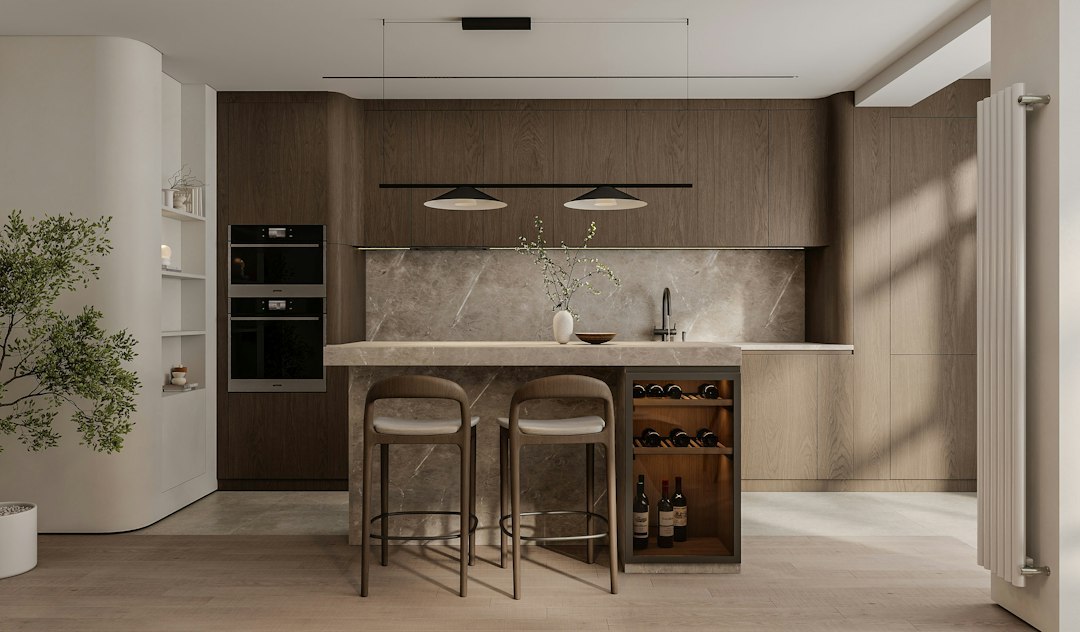
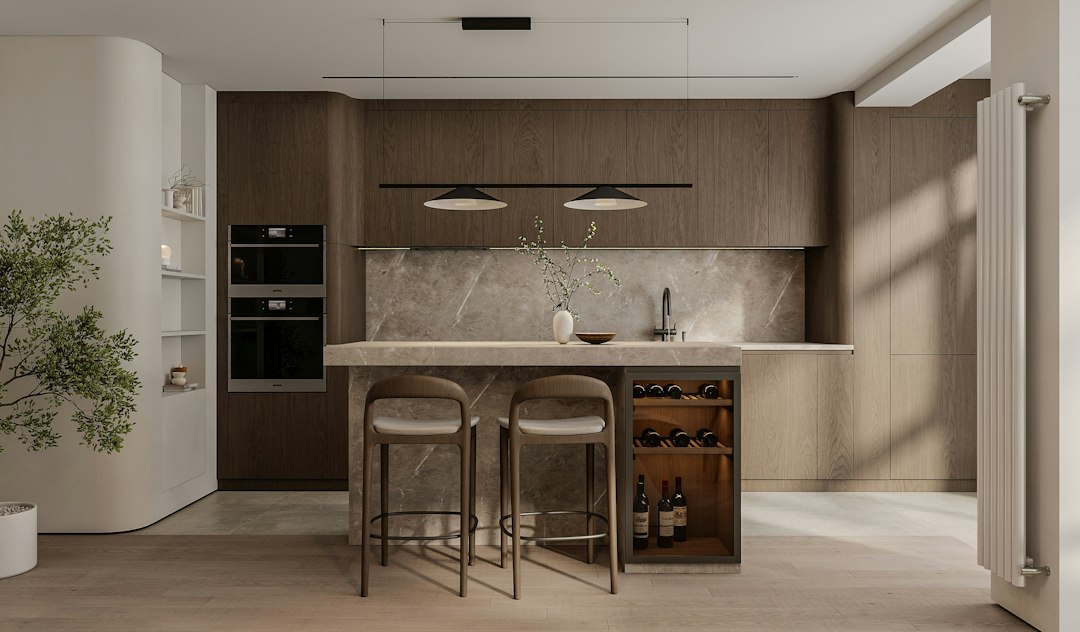
- Installation: Is it a freestanding unit, a built-in under-counter model, or a large-capacity cabinet?
- Capacity: How many bottles or cans does it need to hold?
- Cooling System: Will you use a powerful compressor-based system or a quieter, vibration-free thermoelectric module? Compressor systems offer robust cooling suitable for a wide range of ambient temperatures, while thermoelectric models are ideal for smaller cabinets where silence is key.
- Temperature Zones: Does it require a single zone for general beverage cooling or dual zones for storing different types of wine at their optimal temperatures?
## Step 2: Crafting Your Brand Identity
With the technical base set, the next step is to define the visual elements that will make the cooler uniquely yours. This is where you translate your brand's identity into physical features. Provide your OEM partner with a detailed brief that includes:
- Cabinet Finish and Color: Specify materials (e.g., stainless steel, coated steel) and exact color references.
- Door Design: Choose from frameless glass, stainless steel frames, or even panel-ready doors that can be fitted with custom cabinetry.
- Branding Elements: Provide vector files for logos, illuminated signage, and any graphic wraps.
- Interior Features: Select shelving materials (wood, metal), configuration, and interior LED lighting color.
- User Interface: Customize the control panel and display to match your brand's aesthetic.
## Step 3: Ensuring Market Compliance and Logistics
Every market has its own regulatory requirements. A reliable OEM partner will help you navigate these complexities. You must confirm the following for your target destination:
- Electrical Specifications: Voltage, frequency, and plug type must match local standards.
- Certifications: Ensure the product complies with necessary standards like CE, ETL, or DOE.
- Refrigerant: Confirm the use of approved refrigerants for the region.
- Documentation and Packaging: All manuals, rating labels, and shipping cartons must be consistent and use the correct languages and model information.
## Key Features That Define a Premium Wine & Beverage Cooler
Consumers today expect more than just cold drinks. Advanced features not only improve performance but also serve as major selling points. When developing your OEM cooler, consider incorporating these premium attributes:
- Dual-Zone Temperature Control: Essential for wine enthusiasts, this allows for storing reds and whites in the same unit at their respective ideal temperatures.
- UV-Protected Glass Doors: Protects beverages, especially wine, from harmful UV rays that can degrade flavor and aroma.
- Vibration-Dampening System: A crucial feature for long-term wine storage, as vibrations can disturb the sediment and negatively affect the aging process.
- Humidity Control: Maintains optimal humidity levels (typically 55-75%) to keep wine corks from drying out and prevent spoilage.
- Front-Venting Design: Critical for built-in models, this allows the cooler to be installed flush with cabinetry without overheating.
## Choosing the Right OEM Manufacturing Partner
Selecting the right manufacturer is the most important decision in the OEM process. Look beyond the price tag and evaluate partners based on their experience, capabilities, and reliability. A great partner should offer:
- Proven Industry Experience: Look for manufacturers with a long history of producing high-quality refrigeration.
- Strong Engineering & Design Support: The ability to assist in product development and technical problem-solving is invaluable.
- Comprehensive Quality Control: Ask about their quality assurance processes, from raw material inspection to final product testing.
- International Certifications: A factory with ISO 9001 and other international certifications demonstrates a commitment to quality.
| Feature | Importance for Your Brand | Questions to Ask Your OEM Partner |
|---|---|---|
| Manufacturing Experience | High | How many years have you specialized in wine and beverage coolers? |
| Customization Flexibility | High | What is your process for developing a fully custom model? |
| Quality Control Systems | High | Can you provide details on your component testing and final inspection? |
| Supply Chain Stability | Medium | What are your typical lead times and MOQ for a new project? |
| After-Sales Support | High | What kind of warranty and technical support do you provide? |
## Built-in vs. Freestanding: A Critical Design Choice
Your target market will determine whether to focus on built-in or freestanding models. Built-in units are designed to integrate seamlessly into cabinetry and require front-facing ventilation to dissipate heat properly. They are popular in high-end kitchens and custom bars. Freestanding coolers offer more placement flexibility and are often more budget-friendly, making them a great choice for a broader consumer base.
## The Final Word: Investing in a Brand Asset
A custom beverage and wine cooler is more than an appliance; it's a strategic asset that strengthens your brand, engages customers, and drives sales. By carefully planning your design, selecting the right features, and partnering with an experienced OEM manufacturer, you can create a product that not only preserves beverages perfectly but also solidifies your position in the market. The journey from a simple idea to a finished cooler is complex, but the reward is a tangible representation of your brand's commitment to quality and style.