The Ultimate Guide to Home Wine Coolers: Cooler vs. Fridge Explained for 2026
- Share
- Issue Time
- Aug 11,2026
Summary
Confused by 'wine cooler' vs. 'wine fridge'? You're not alone. These terms are often mixed up, but they represent different technologies for different needs. This comprehensive guide demystifies the jargon, explains the core differences in cooling systems (thermoelectric vs. compressor), and helps you choose the perfect storage solution to protect your wine investment, whether you're a casual entertainer or a serious collector.
Uncorking the Confusion: Wine Cooler vs. Wine Fridge
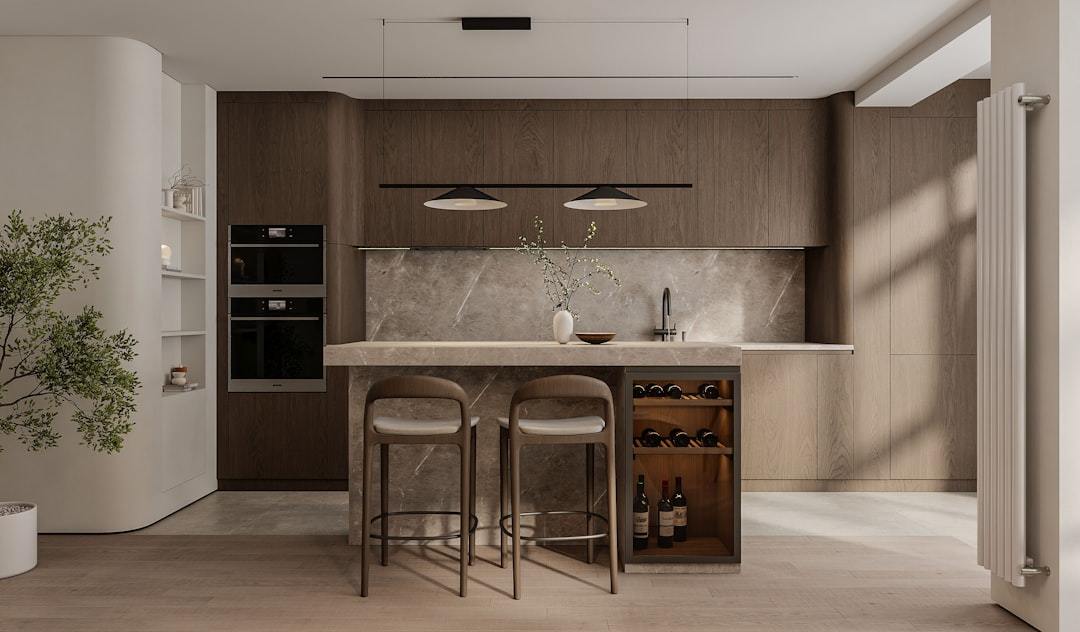
So, you’ve started to appreciate a good bottle of wine. Your collection has grown beyond the one or two bottles you plan to drink this week, and you know the kitchen counter isn't the right place for them. You start looking for a storage solution and immediately run into a wall of confusing terms: wine cooler, wine fridge, wine refrigerator, wine cellar. Are they all the same? In short, no.
While the terms are often used interchangeably in marketing, there is a fundamental difference that impacts how your wine is stored. A wine cooler is typically best for chilling wines to their optimal serving temperature for short-term enjoyment. A wine refrigerator (or 'wine fridge') is designed for preserving wine for long-term aging and storage. This guide will walk you through everything you need to know to make an informed decision for your home.
The Core Difference: Cooling Technology Explained
The biggest distinction between these two appliances lies in how they cool. This single factor influences noise, energy efficiency, temperature stability, and ultimately, whether the unit is right for your collection.
Wine Coolers typically use Thermoelectric Cooling. This involves a scientific principle called the Peltier effect, where an electric current is passed through a junction of two different metals to create a temperature difference—one side gets cold, and the other gets hot. A small fan circulates the cool air.
Wine Fridges use Compressor-Based Cooling. This is the same technology found in your standard kitchen refrigerator. It uses a refrigerant gas and a compressor to actively pump heat out of the cabinet, allowing for powerful cooling and precise temperature control.
Understanding these two systems is the key to choosing the right appliance.
All About Thermoelectric Wine Coolers
Thermoelectric units are often the gateway for new wine enthusiasts. They are defined by their quiet, vibration-free operation, which makes them ideal for living areas and apartments. Since they have fewer moving parts, they are often lighter and less mechanically complex.
However, their cooling power is dependent on the ambient temperature of the room. They can typically only cool to about 20-25°F below the surrounding temperature. This means if your home gets hot (above 75-80°F), the cooler will struggle to maintain a safe temperature for your wine.
The Pros and Cons of Thermoelectric Coolers
Pros:
- Virtually Silent Operation: The lack of a compressor makes them whisper-quiet, perfect for main living spaces.
- Zero Vibration: The absence of moving parts eliminates vibrations, which can disturb the sediment in wine and negatively affect its aging process and flavor.
- Energy Efficient: In stable, cool environments, they generally consume less electricity than compressor models.
- Lower Upfront Cost: Thermoelectric models are often more affordable, making them a great entry-level option.
Cons:
- Affected by Ambient Temperature: Their performance suffers in warm rooms or climates. Not suitable for a hot garage.
- Limited Cooling Power: They cannot reach the very low temperatures that compressor units can.
- Longer Temperature Recovery: It takes them longer to cool down after the door has been opened.
All About Compressor Wine Fridges
Compressor wine refrigerators are the workhorses of the wine storage world. They are powerful, reliable, and can maintain a precise temperature regardless of the external climate, making them essential for anyone living in a warmer region or wanting to store wine in a less-controlled environment like a basement.
These units are capable of both short-term chilling and long-term aging at the universally ideal temperature of 55°F (13°C). Modern compressor models have also made huge strides in reducing noise and vibration, incorporating dampening systems to protect the wine.
The Pros and Cons of Compressor Fridges
Pros:
- Powerful & Consistent Cooling: Can achieve and hold precise temperatures (even very low ones) regardless of ambient heat.
- Ideal for Long-Term Aging: The ability to maintain a stable 55°F and control humidity makes them perfect for enthusiasts looking to age their collection.
- Larger Capacities: Often available in much larger sizes, capable of holding hundreds of bottles.
- Faster Cooling: They can bring wines to the desired temperature quickly and recover faster after the door is opened.
Cons:
- Potential for Noise & Vibration: Although improved, the compressor cycling on and off can create some low-level noise and micro-vibrations.
- Higher Energy Consumption: They typically use more electricity than thermoelectric models.
- Higher Cost: The more complex technology usually means a higher price tag.
Quick Comparison: Wine Cooler vs. Wine Fridge
| Feature | Thermoelectric Wine Cooler | Compressor Wine Fridge |
|---|---|---|
| Technology | Peltier Effect (Solid-State) | Vapor Compression (Refrigerant) |
| Best For | Short-term chilling for serving | Long-term aging and preservation |
| Cooling Power | Dependent on ambient temp; limited range (e.g., 45-65°F) | Powerful, consistent, independent of ambient temp |
| Vibration | None | Low (with modern dampening systems) |
| Noise Level | Very Quiet | Quiet hum when compressor runs |
| Energy Use | Lower (in cool rooms) | Higher |
| Ideal Placement | Living rooms, kitchens (in stable climates) | Any room, including warmer basements or garages |
| Cost | Generally Lower | Generally Higher |
Why Temperature and Humidity Matter So Much
Wine is a delicate, evolving product. Storing it correctly is about protecting it from its four main enemies: heat, light, vibration, and low humidity.
- Temperature: The single most important factor. The ideal temperature for long-term aging of all wine—red, white, and sparkling—is a stable 55°F (13°C). Temperatures above 70°F can cause the wine to age prematurely and develop cooked, unpleasant flavors. A regular kitchen fridge is too cold (around 37°F) and will stunt wine's development.
- Humidity: The ideal humidity is around 70%. In environments that are too dry, corks can shrink, allowing air to seep into the bottle and oxidize the wine. Compressor wine fridges are often better at maintaining this necessary humidity level.
Choosing the Right Size and Installation Type
When selecting a unit, think about your collection now and in the future. A common piece of advice from experts is to calculate your ideal capacity, then double it. Your collection will likely grow faster than you think.
- Freestanding: These units are finished on all sides and require clearance for ventilation, usually around the back and sides. They offer flexibility in placement.
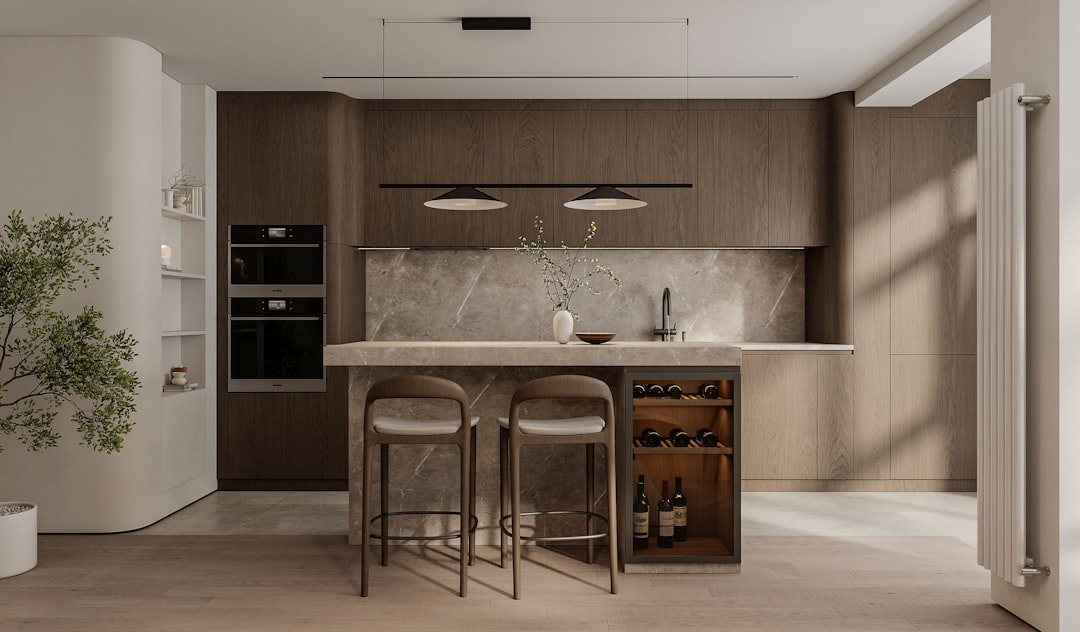
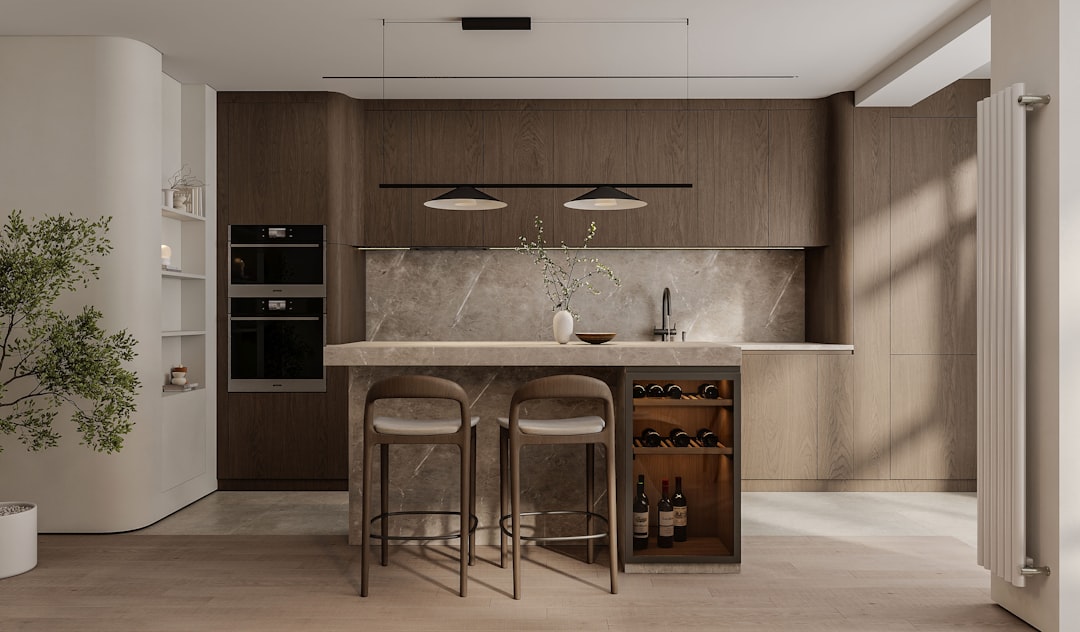
- Built-in / Under-counter: Designed to be installed flush with your cabinetry, these units have front-facing vents to dissipate heat. They offer a seamless, high-end look but require precise measurements.
Single-Zone vs. Dual-Zone: What's the Difference?
- Single-Zone: Maintains one consistent temperature throughout the unit. Ideal if you primarily collect one type of wine or are focused on long-term aging at 55°F.
- Dual-Zone: Has two independently controlled compartments. This is the most popular option, allowing you to store reds at a cellar temperature (55-60°F) in one zone, while keeping whites and sparkling wines chilled to serving temperature (45-50°F) in the other.
Essential Features to Look For
Beyond the core technology, several features can enhance your experience and better protect your wine:
- UV-Protected Glass Door: Sunlight and even harsh indoor lighting can degrade wine. A tinted, UV-resistant glass door is essential.
- LED Lighting: Provides a beautiful display without producing heat that could damage the wine.
- Adjustable Shelving: Allows you to accommodate larger or oddly shaped bottles, like those for Champagne or Riesling.
- Digital Thermostat: Offers more precise and easier temperature control than an analog dial.
- Door Lock: A key feature if you have valuable bottles or want to keep your collection safe from children.
So, Which One Should You Buy?
Ultimately, the choice comes down to your specific needs, the size of your collection, and your goals.
You should buy a Thermoelectric Wine Cooler if:
- You are a casual wine drinker who wants to keep a small collection (under 30 bottles) ready for serving.
- You live in a home with a stable, cool ambient temperature.
- You need a unit for your living room or media room where silence is paramount.
You should buy a Compressor Wine Fridge if:
- You are a wine enthusiast or collector looking to properly age your wines over months and years.
- You have a diverse collection of red and white wines requiring different storage or serving temperatures (a dual-zone model is perfect here).
- You live in a warm climate or plan to place the unit in a garage, basement, or room that experiences temperature swings.
- You have a large or growing collection and need more capacity.
By understanding the fundamental differences in technology and aligning them with your personal wine journey, you can confidently choose the perfect home wine cooler or fridge to protect and enhance every bottle you bring home.