The Ultimate Guide to Dry Aging Fridge Features: Mastering Temperature, Humidity, and Airflow for Perfect Steaks
- Share
- Issue Time
- Oct 29,2026
Summary
Unlock the secrets to restaurant-quality dry-aged steak at home. This comprehensive guide explores the essential features of a dry aging fridge, from precise temperature and humidity control to critical airflow and sanitation systems. Learn how these elements work together to transform a standard cut of beef into a culinary masterpiece of tenderness and concentrated flavor, and discover why your regular refrigerator just can't compete. We'll break down the science and provide the key specificati
Unlocking Culinary Excellence: Why a Dedicated Dry Aging Fridge is Non-Negotiable
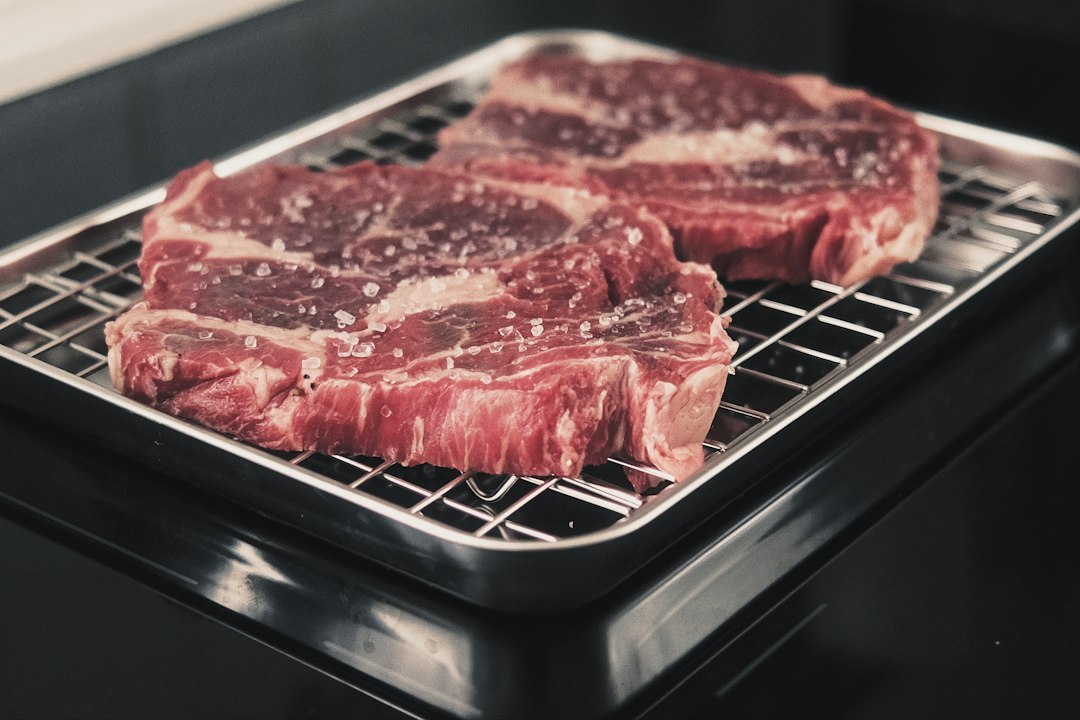
Steak enthusiasts know the magic of dry-aged beef: an intensely concentrated flavor, a nutty aroma, and a texture so tender it almost melts in your mouth. This culinary art, once the exclusive domain of high-end steakhouses and artisan butchers, is now accessible to the home connoisseur, thanks to specialized dry aging fridges. But what makes these appliances different from a standard refrigerator? It's a matter of science and precision. A dry ager isn't just about keeping meat cold; it’s about creating and maintaining a perfectly controlled microclimate where temperature, humidity, and airflow work in harmony to transform meat through natural enzymatic processes and controlled moisture loss.
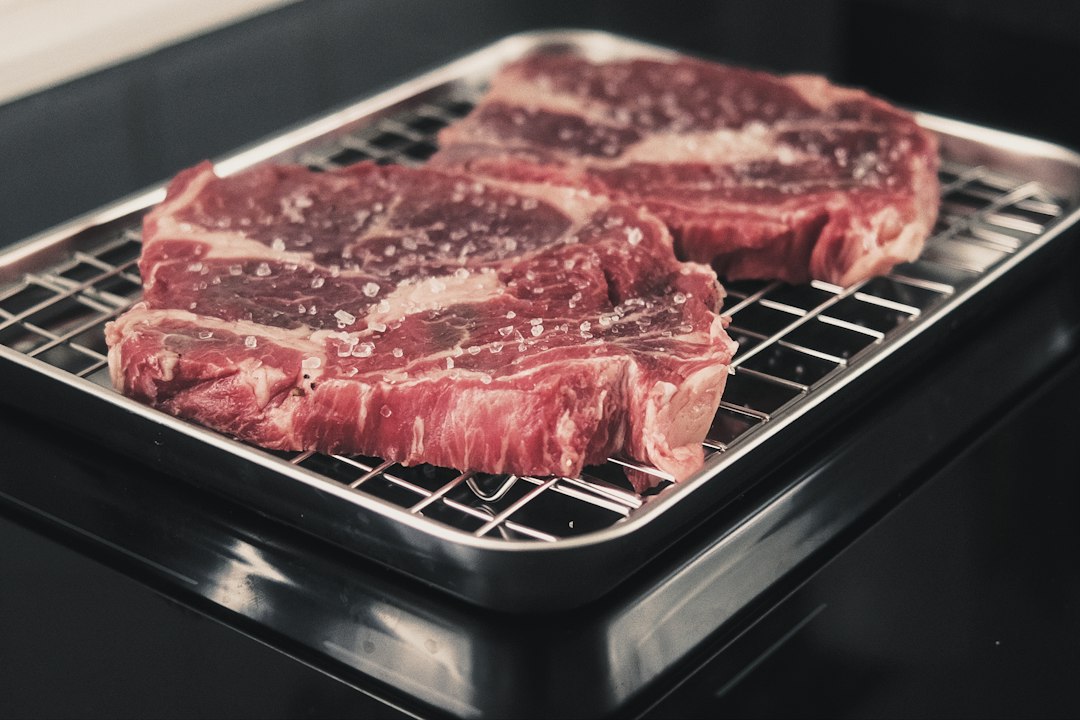
Attempting to dry age beef in a conventional kitchen fridge is a recipe for disaster. Standard refrigerators are designed to suppress change and preserve freshness, often by removing moisture. This environment is too dry and lacks the precise controls necessary for successful aging, leading to inconsistent results, excessive moisture loss, or worse, spoilage from harmful bacteria. A dedicated dry aging cabinet is an investment in safety, consistency, and unparalleled flavor.
The Core Science: A Symphony of Three Key Elements
The entire process of dry aging hinges on the delicate interplay of three environmental factors. Understanding this science is the first step toward mastering the art. During aging, two critical transformations occur: natural enzymes break down tough connective tissues, tenderizing the meat, while moisture slowly evaporates, concentrating its beefy, umami flavor. To manage this process safely and effectively, a dry ager must provide unwavering control over its internal environment.
H2: Precision Temperature Control: The Foundation of Safe Aging
Temperature is the most critical factor in preventing spoilage. A dry aging fridge must maintain a constant, precise temperature that is low enough to inhibit the growth of spoilage bacteria but just warm enough for the meat's natural enzymes to work their tenderizing magic. The ideal temperature range is incredibly narrow, typically between 34°F and 38°F (1°C to 3°C). Unlike a regular fridge, which can have significant temperature swings during its cooling cycles, a dry ager uses advanced components like inverter compressors to hold the set temperature with minimal fluctuation, ensuring a stable and safe aging process from start to finish.
H2: Humidity Management: The Secret to Flavor Concentration
Humidity control is what separates a true dry ager from a simple cooler. The goal is to manage the rate of moisture evaporation from the meat. The sweet spot for relative humidity (RH) is generally between 60% and 85%. If the humidity is too low, the meat will dry out too quickly, forming a thick, wasteful crust and losing too much weight. If it's too high, you create a breeding ground for undesirable mold and bacteria, ruining the meat. High-quality units feature active humidity control systems that can add or remove moisture as needed, ensuring a protective outer crust, known as the pellicle, forms properly while the interior remains succulent and tender.
H2: Consistent Airflow: The Unsung Hero of Uniform Aging
Stagnant air is the enemy of good dry aging. Proper, gentle air circulation is essential for several reasons. It helps maintain a uniform temperature and humidity level throughout the entire cabinet, ensuring the entire surface of the meat ages at the same rate. It also plays a vital role in forming the pellicle and whisking away excess moisture from the meat's surface. Crucially, consistent airflow prevents the buildup of bacteria in any one spot. A professional-grade dry ager is engineered with fans and ventilation systems designed for controlled, even air distribution, not just rapid cooling.
H2: Advanced Sanitation Systems: The Guardian of Your Investment
When aging meat for weeks or months, creating a hygienic environment is paramount. Top-tier dry aging fridges incorporate advanced sanitation technologies to eliminate airborne pathogens and prevent off-odors. The most common feature is a UVC sterilization lamp. This ultraviolet light effectively kills bacteria, mold, and other microorganisms without affecting the meat itself. Many units also feature activated carbon filters, which purify the circulating air by absorbing odors and volatile compounds, ensuring that the only flavor your beef develops is its own rich, nutty essence.
H2: Why a Regular Refrigerator Fails for Dry Aging
It's tempting to think you can dry age in your home fridge, but the differences are stark and the risks are high. Here is a breakdown of why a standard fridge isn’t up to the task:
- Imprecise Temperature: Wide fluctuations create an unsafe environment.
- No Humidity Control: Most fridges are designed to be low-humidity, which will dry the meat too fast.
- Poor Airflow: The static air inside a packed fridge leads to uneven aging and potential spoilage.
- Lack of Sterilization: No built-in defenses against cross-contamination or bacterial growth.
| Feature | Dry Aging Fridge | Standard Refrigerator |
|---|---|---|
| Temperature Range | 34-38°F (1-3°C), highly stable | 35-40°F (2-4°C), with fluctuations |
| Humidity Control | Actively managed (60-85% RH) | Not controlled (typically low) |
| Air Circulation | Engineered for even, gentle flow | Minimal and inconsistent |
| Sanitation | UVC light & carbon filters | None |
H2: Essential Design and Build Quality Features
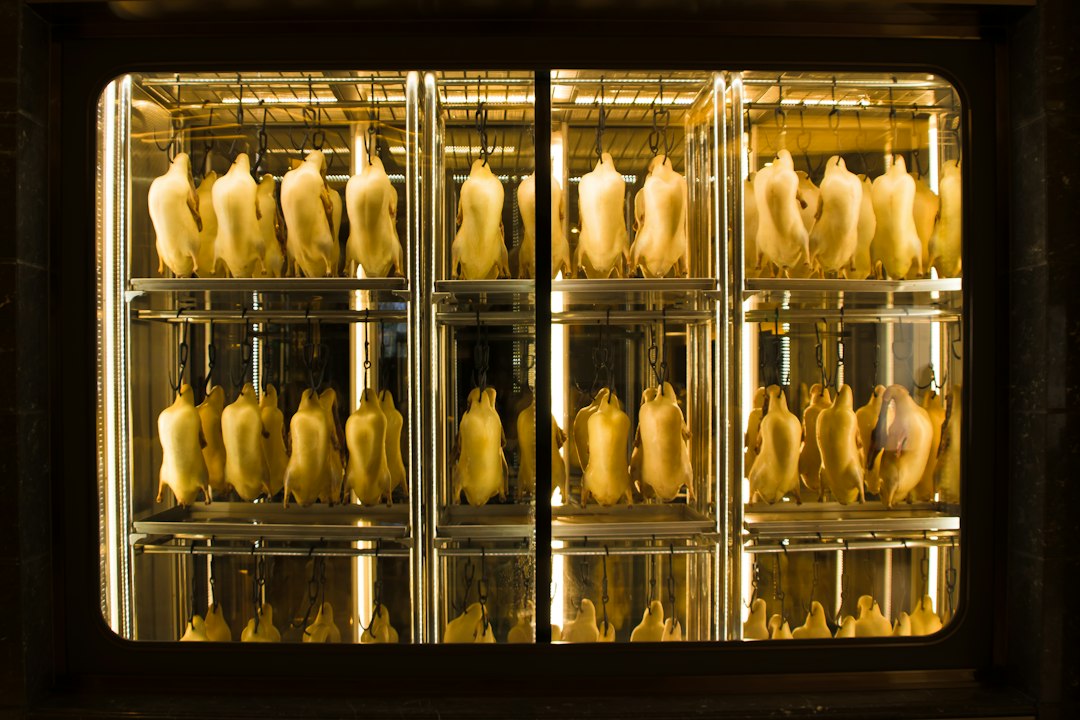
Beyond the core climate controls, the physical construction of a dry aging cabinet is crucial for performance and longevity. Look for units built with food-grade 304 stainless steel interiors, which are durable, corrosion-resistant, and easy to clean. A dual-paned, UV-protected glass door not only allows you to showcase the aging process but also protects the meat from harmful light and helps maintain a stable internal temperature. Sturdy, adjustable stainless steel shelves and hooks are also essential for organizing different cuts and ensuring proper airflow around each piece.
H2: Capacity and Sizing: Choosing the Right Fridge for You
Dry aging cabinets come in a wide range of sizes, from compact home models with a capacity of around 70L to large commercial units holding hundreds of pounds of meat. When choosing, consider not only how much meat you want to age at once but also the size of the cuts. You need enough space to hang or place primals without them touching each other or the cabinet walls, as this is crucial for ensuring 360-degree airflow. For most home users, a unit that can hold one or two large sub-primal cuts, like a ribeye or striploin, is a great starting point.
H2: The Importance of High-Quality Meat Selection
Your final product will only be as good as the meat you start with. Dry aging works best on larger, sub-primal cuts with a good fat cap and excellent marbling (intramuscular fat). The fat cap protects the meat from drying out too much, while the marbling renders down during cooking to create that buttery, rich flavor that dry-aged beef is famous for. Grades like Prime or high-end Choice are ideal candidates. Starting with a high-quality, well-marbled cut is the first step to a successful dry-aging outcome.
H2: Understanding the Aging Process and Weight Loss
Be prepared for the reality of dry aging: weight loss. As moisture evaporates, the meat will lose a significant portion of its original weight, typically between 15-30% over a 28 to 45-day aging period. This is a normal and necessary part of the process that concentrates the flavor. After aging, you will also need to trim away the tough, dark outer pellicle before cooking. While this results in a smaller final yield, the vastly superior flavor and texture are well worth it. A quality dry aging fridge helps manage this process, ensuring you get desirable concentration without excessive, wasteful dehydration.
H2: Beyond Beef: Expanding Your Culinary Horizons
While beef is the star of the dry-aging world, many modern aging cabinets are versatile enough to handle other proteins. With the right know-how and a reliable machine that offers precise control, you can experiment with dry-aging pork, lamb, and even making charcuterie like salami and prosciutto. Some chefs and artisans also use these cabinets for aging certain types of firm cheese, further expanding their utility. This versatility makes a dry aging fridge a powerful tool for any serious foodie looking to explore new dimensions of flavor.