The Ultimate Guide to Dry Ager Fridges: Unlock Steakhouse Quality at Home
- Share
- Issue Time
- Jun 10,2026
Summary
Discover how a dry ager fridge can revolutionize your culinary experience. This guide explores the science behind dry-aging,
The Ultimate Guide to Dry Ager Fridges: Unlock Steakhouse Quality at Home
For any true steak aficionado, the words 'dry-aged' evoke a sense of reverence. That deep, nutty, and intensely beefy flavor, combined with a buttery tenderness, is the pinnacle of the steak experience. For years, this was a luxury confined to high-end steakhouses and specialty butcher shops. But what if you could achieve that same level of culinary perfection in your own home? Enter the dry ager fridge, a specialized appliance designed to do just that.
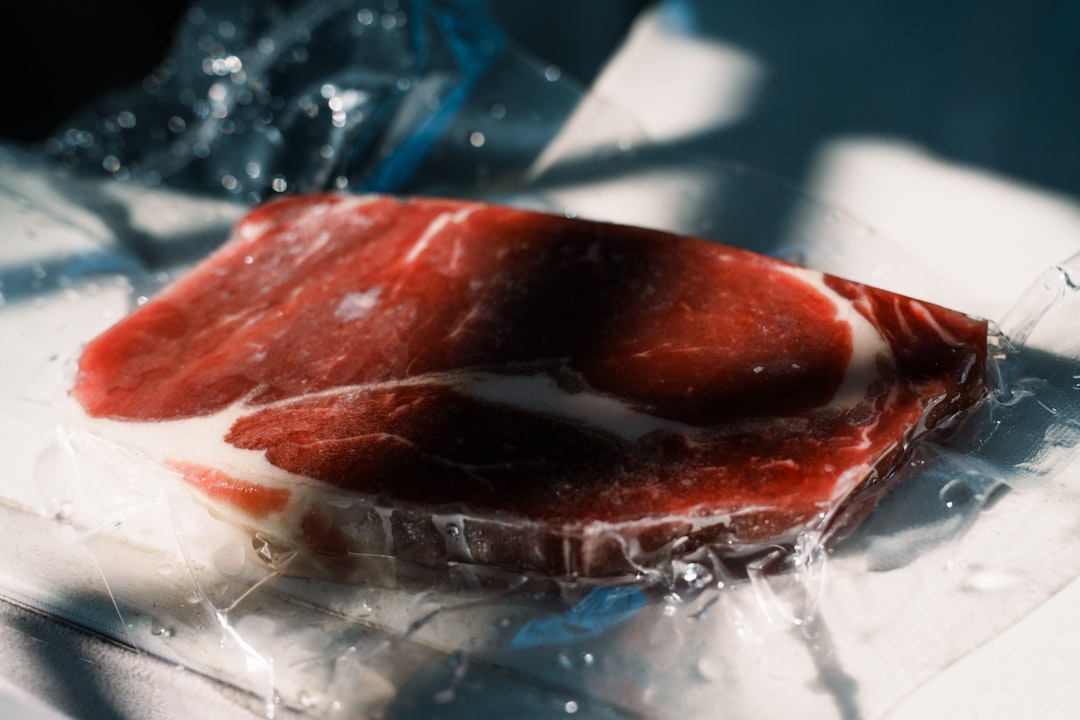
This guide will walk you through everything you need to know about these game-changing machines, from the science behind the magic to choosing the right unit for your needs.
What is a Dry Ager Fridge?
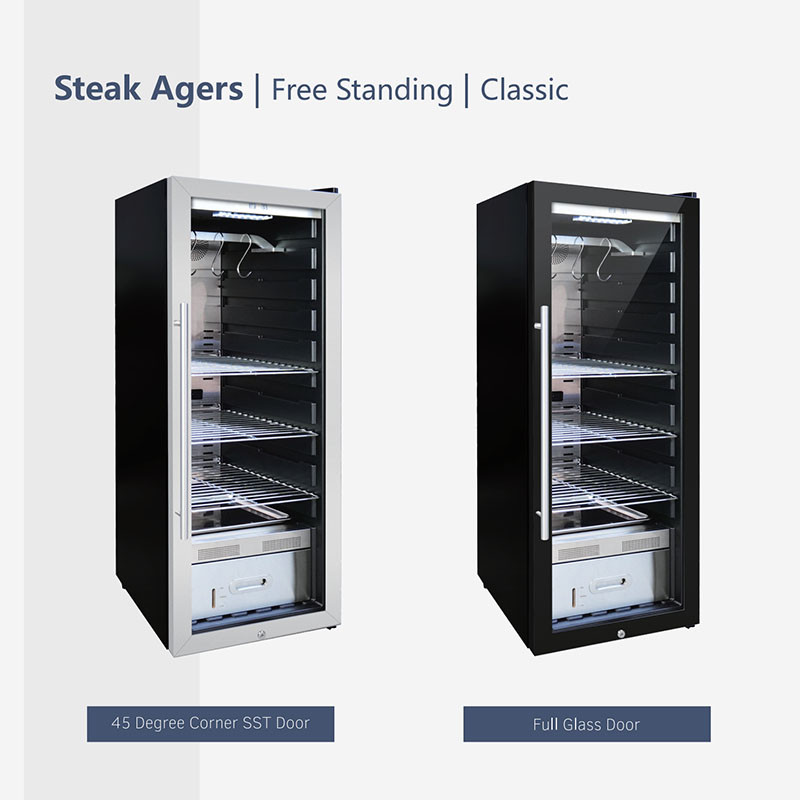
A dry ager fridge, also known as a dry aging cabinet or machine, is a purpose-built refrigerator that creates the perfect micro-environment for aging meat. Unlike a standard kitchen fridge, which is designed to prevent food from changing, a dry ager manages change in a highly controlled manner. It meticulously regulates the three key variables essential for successful dry-aging: temperature, humidity, and airflow.
The Science of Flavor: How Dry-Aging Works
Dry-aging is a transformative process. When a large cut of beef is placed in a controlled environment for an extended period—typically 21 to over 60 days—two key things happen:
- Moisture Evaporation: The meat loses a significant amount of its water content, anywhere from 15-30%. This concentrates the beef's natural flavors, resulting in a richer, more profound taste.
- Enzymatic Breakdown: The meat's own natural enzymes get to work, breaking down tough muscle fibers and connective tissues. This is what creates the incredible tenderness that dry-aged steaks are famous for.
The result is a steak with a complex, nutty, and sometimes cheesy aroma and a texture that almost melts in your mouth.
Why You Can't Just Use a Regular Refrigerator
Many aspiring home-agers wonder if they can just use their regular kitchen fridge. The answer is a definitive no, and for several critical safety and quality reasons:
- Inconsistent Temperature: Your home fridge's temperature fluctuates every time you open the door, creating an unstable environment that can be unsafe for aging meat.
- Incorrect Humidity: Standard refrigerators are designed to remove humidity to keep vegetables crisp. This low humidity in an uncontrolled setting can dry the meat out too quickly or unevenly. Conversely, too much humidity can lead to spoilage.
- Poor Airflow: Stagnant air is a breeding ground for harmful bacteria. A dry ager ensures constant, gentle airflow.
- Flavor Contamination: Your steak will invariably absorb odors from other foods in the fridge, leading to undesirable flavors.
Using a dedicated dry ager fridge eliminates these risks, providing a safe, consistent, and reliable path to delicious results.
Key Features to Look for in a Dry Ager Fridge
When you're ready to invest in a dry aging unit, here are the essential features to consider:
- Precise Temperature Control: The unit must maintain a stable temperature, typically between 34°F and 38°F (1-3°C), to prevent spoilage while allowing enzymes to work.
- Active Humidity Control: Look for a system that can maintain humidity levels between 75% and 85%. This prevents the meat from drying too quickly while inhibiting bacterial growth. Some advanced models do this without needing an external water connection.
- Consistent Air Circulation: An internal fan system is crucial for ensuring the meat ages evenly from all sides.
- Sterilization System: To ensure food safety, many top-tier models include a UV-C light system and/or activated carbon filters to kill airborne pathogens and neutralize odors.
Choosing the Right Cut of Meat
The quality of your final product is directly tied to the quality of the meat you start with. For dry-aging, you want large, sub-primal cuts with a good fat cap and excellent marbling.
- Best Cuts: Ribeye, Strip Loin (NY Strip), and Sirloin are ideal candidates.
- Grade Matters: Opt for USDA Prime or at least a high-quality Choice grade. The intramuscular fat (marbling) is crucial for developing flavor.
- Size is Key: Do not try to age individual steaks. The trimming process required after aging would leave you with very little meat. You need a large cut to make the yield loss worthwhile.
The Dry-Aging Process: A Step-by-Step Overview
While each machine has its own specifics, the general process is straightforward:
- Preparation: Turn on your dry ager a day in advance to stabilize the climate.
- Placement: Place your large cut of beef on a wire rack or hang it from a hook to ensure airflow on all sides.
- Set and Forget: Program your unit to the desired temperature and humidity (e.g., 36°F and 80% humidity).
- Wait: This is the hardest part! Aging time is a matter of preference:
- 21-28 Days: Tenderization is noticeable, and a mild, nutty flavor begins to develop.
- 30-45 Days: The classic dry-aged flavor becomes more pronounced.
- 60+ Days: A very intense, funky, and complex flavor develops, often compared to blue cheese.
Trimming and Cooking Your Masterpiece
After the aging process is complete, the outside of the meat will have formed a hard, dark crust called a pellicle. This is not edible and must be trimmed away.
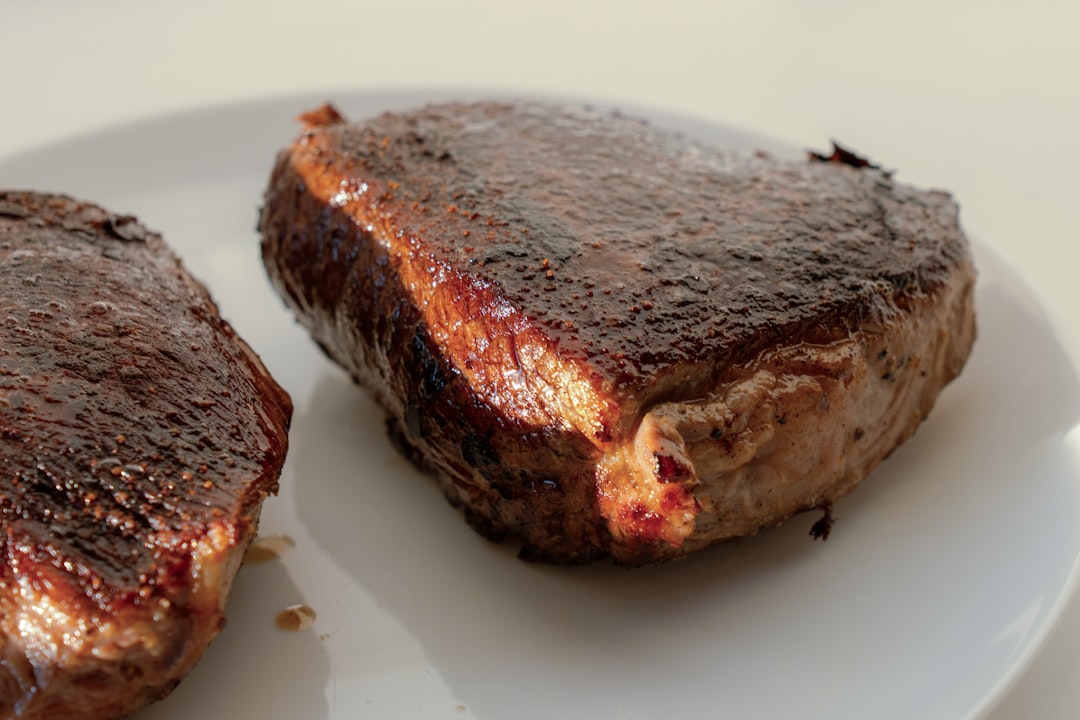
Once trimmed, you can slice the large cut into individual thick steaks. Cook them simply—a hard sear in a cast-iron skillet is a classic choice—to let the incredible flavor shine.
Is a Dry Ager Fridge Worth The Investment?
A high-quality dry aging fridge is a significant investment. However, for professionals and serious home cooks, the value is clear. The ability to buy standard-priced sub-primal cuts and transform them into premium products that cost three times as much at retail is a huge financial benefit. Many users find that a dry ager pays for itself after just a few aging cycles.
Beyond the savings, it offers unparalleled control over the final product, allowing you to tailor the flavor and tenderness to your exact preferences.
More Than Just Beef
Many modern dry ager cabinets are incredibly versatile. With the right settings, they can also be used for:
- Making charcuterie and salami
- Curing ham
- Aging cheese, fish, and poultry
This versatility turns a specialized appliance into an all-around tool for culinary creativity.
The Future of Flavor is at Home
The arrival of user-friendly, high-performance dry ager fridges has democratized a once-exclusive culinary art. It empowers home chefs, BBQ enthusiasts, and food lovers to move beyond simply cooking meat and start crafting it. By taking control of the aging process, you can unlock a world of flavor and create steakhouse-quality experiences in your own home, any time you want.