The Ultimate Guide to Compact & Slim Wine Coolers: Perfect Preservation for Any Space
- Share
- Issue Time
- Feb 3,2026
Summary
Discover how a compact or slim wine cooler can revolutionize your wine storage, even in the smallest spaces.
The Ultimate Guide to Compact & Slim Wine Coolers: Perfect Preservation for Any Space
For any wine enthusiast, from the casual sipper to the dedicated collector, proper storage is paramount. The nuanced flavors and delicate aromas that make each bottle unique can be easily compromised by improper conditions. A dedicated wine cooler fridge is the definitive solution, providing a controlled environment that ensures every glass is served exactly as the winemaker intended. But what if you're short on space? Enter the world of compact and slim wine coolers—the perfect fusion of sophisticated technology and space-saving design.
Why a Dedicated Wine Fridge is a Game-Changer
Before we dive into the specifics of compact models, let's address why a standard kitchen refrigerator just won't cut it. Regular fridges are designed to keep a wide variety of foods cold and dry, with temperatures often dipping too low for wine and humidity levels that can dry out corks. This can lead to premature aging, oxidation, and ultimately, a disappointing tasting experience. A wine fridge, on the other hand, is built for one purpose: to create the perfect sanctuary for your wine. It maintains a consistent, optimal temperature, manages humidity, and protects your collection from harmful light and vibrations. In short, it's not a luxury; it's a necessity for preserving the quality and integrity of your wine.
The Rise of the Compact & Slim Wine Cooler
Not everyone has space for a sprawling wine cellar. Recognizing this, manufacturers have developed innovative compact and slimline wine coolers that fit seamlessly into modern homes, apartments, and even home bars. These units, some as narrow as 6-10 inches wide, offer the same preservation technology as their larger counterparts without demanding a large footprint. They are the ideal solution for urban dwellers or anyone looking to maximize their living space while still indulging in their passion for wine.
Freestanding vs. Built-In: Finding Your Perfect Fit
One of the first decisions you'll face is whether to opt for a freestanding or a built-in model.
- Freestanding Coolers: These offer incredible flexibility. They can be placed almost anywhere with a power source, from your kitchen to your dining room or home office. They typically require some clearance around the sides and back for proper ventilation.
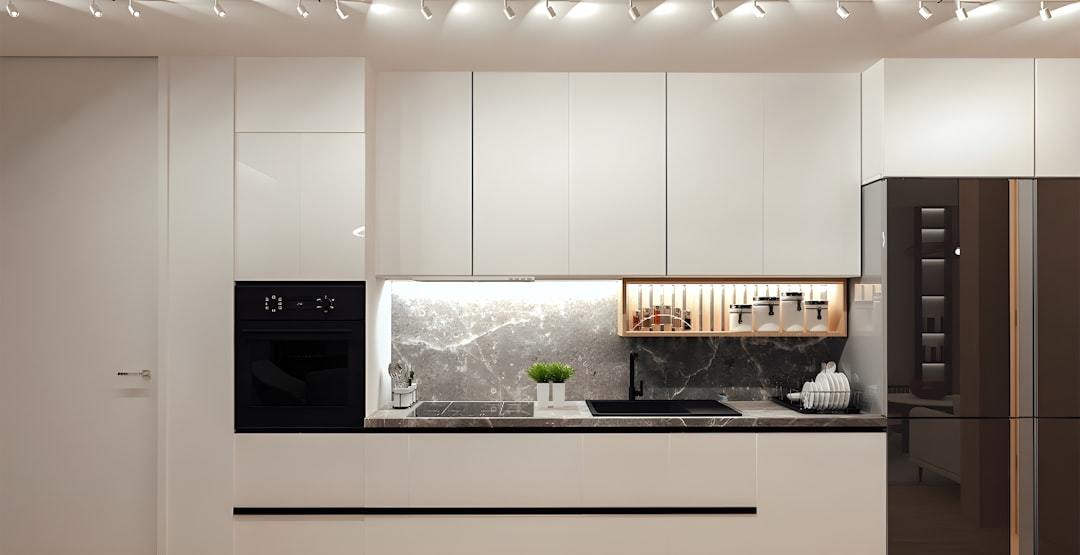
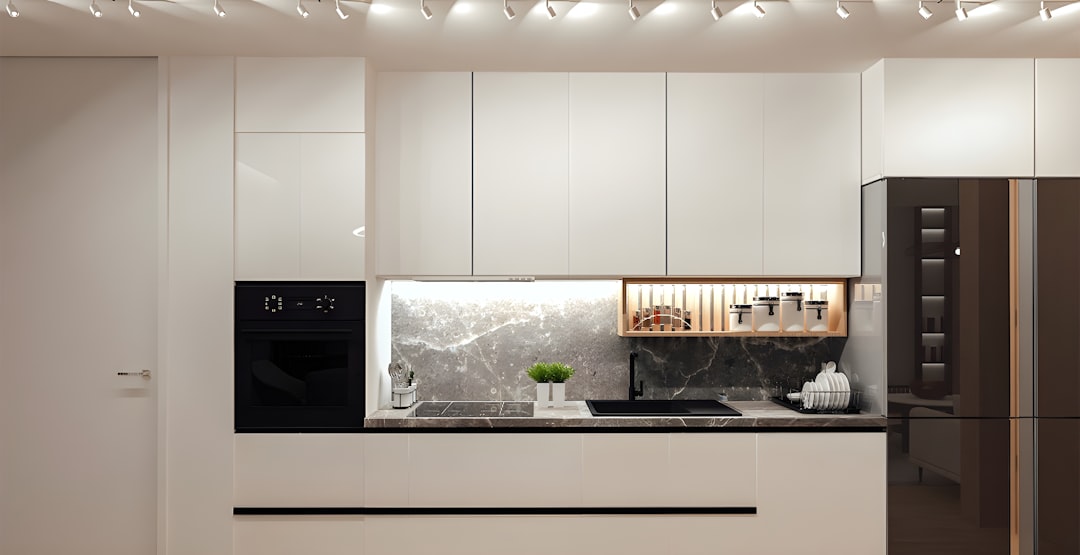
- Built-In & Under-Counter Coolers: Designed for a seamless, integrated look, these units are installed directly into your cabinetry or under a countertop. They feature front-facing vents, allowing them to breathe without needing extra space around them. This creates a sleek, professional aesthetic that elevates any kitchen or bar design.
Compressor vs. Thermoelectric: Understanding the Cooling Technology
Wine coolers use two primary types of cooling systems, each with its own set of advantages:
- Compressor Cooling: This technology works much like a standard refrigerator, using a compressor to powerfully and consistently cool the interior. Compressor units are more effective in warmer environments and can achieve a wider temperature range. They are ideal for larger collections and for placement in rooms with fluctuating ambient temperatures.
- Thermoelectric Cooling: This method uses the Peltier effect to transfer heat from the inside of the cooler to the outside. The primary benefits are its near-silent, vibration-free operation and energy efficiency. Since there are no moving parts, it won't disturb the sediment in your aging wines. However, thermoelectric models are best suited for smaller collections and stable environments, as their cooling power is relative to the ambient room temperature.
| Feature | Compressor Cooling | Thermoelectric Cooling |
|---|---|---|
| Cooling Power | High & Consistent | Moderate, Dependent on Ambient Temp |
| Vibration | Minimal (with modern tech) | Virtually None |
| Noise Level | Low Hum | Nearly Silent |
| Energy Use | Moderate | Generally Lower |
| Best For | Larger collections, warmer climates | Small collections, quiet living spaces |
Single Zone vs. Dual Zone: Tailoring Temperature to Your Collection
Do you exclusively drink Chardonnay, or is your collection a mix of bold Cabernets and crisp Sauvignon Blancs? Your answer will determine whether you need a single or dual-zone cooler.
- Single Zone Coolers: Maintain one consistent temperature throughout the unit. This is perfect if you primarily collect one type of wine (reds or whites) or are focused on long-term aging at a consistent cellar temperature (around 55°F or 12-13°C).
- Dual Zone Coolers: Feature two independently controlled compartments. This is the ultimate solution for enthusiasts who enjoy a variety of wines, allowing you to store reds at their ideal temperature (e.g., 58-64°F or 14-18°C) while keeping whites and sparkling wines perfectly chilled and ready to serve (e.g., 45-52°F or 7-11°C).
Essential Features to Look For in a Compact Wine Fridge
Beyond the core technology, several key features enhance the functionality and longevity of a wine cooler:
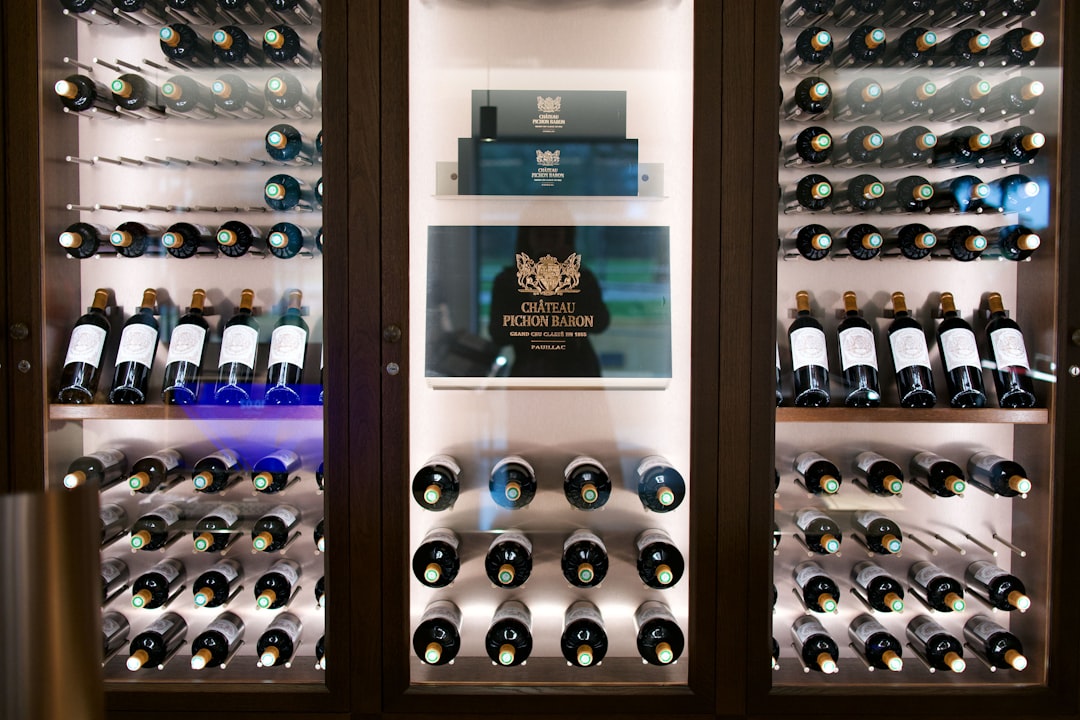
- UV-Protected Glass Door: Exposure to UV rays can damage wine, causing it to age prematurely. A double-paned, tinted glass door is crucial for protecting your collection from harmful light while still allowing you to view your bottles.
- Adjustable Shelving: Wine bottles come in various shapes and sizes. Look for removable or adjustable shelves, often made from wood like beech or cherry which also helps to dampen vibrations, to accommodate everything from standard Bordeaux bottles to larger Champagne or Burgundy bottles.
- Digital Temperature Controls: Precise, easy-to-use digital controls allow you to set and monitor the internal temperature without opening the door, ensuring a stable environment.
- LED Interior Lighting: Soft LED lighting showcases your collection beautifully without emitting heat that could affect the wine's temperature.
- Security Lock: A lock can be a valuable feature to keep your prized collection secure.
Maximizing Your Space: Where to Place Your Slim Cooler
Thanks to their slender design, slim wine coolers can be placed in spots you might not have considered. A narrow, 6-inch model can slide right next to your kitchen refrigerator, filling an awkward gap. An under-counter unit can transform a small section of your kitchen island into a dedicated wine bar. The key is to ensure proper ventilation according to the manufacturer's specifications—especially for freestanding models.
More Than Just Wine Storage
A wine fridge offers surprising versatility. The controlled, cool environment is also perfect for storing craft beers, specialty sodas, and even certain cheeses or charcuterie, making it a valuable addition to any entertainer's home.
Protecting Your Investment
Ultimately, a wine fridge is about protecting your investment, whether you spend a little or a lot on your wine. It ensures that every bottle you open is enjoyed at its absolute peak. By choosing a compact or slim model, you no longer have to sacrifice space for quality. With the right features and a design that complements your home, you can provide the perfect environment for your wine collection to thrive.