The Ultimate Guide to Cigar Humidor Factories: From Wholesale to Customization
- Share
- Issue Time
- Apr 18,2026
Summary
Discover the intricate world of cigar humidor manufacturing. This guide explores everything from material selection and the importance of Spanish cedar to the benefits of OEM/ODM customization.
Why Sourcing Directly from a Cigar Humidor Factory is a Smart Business Move
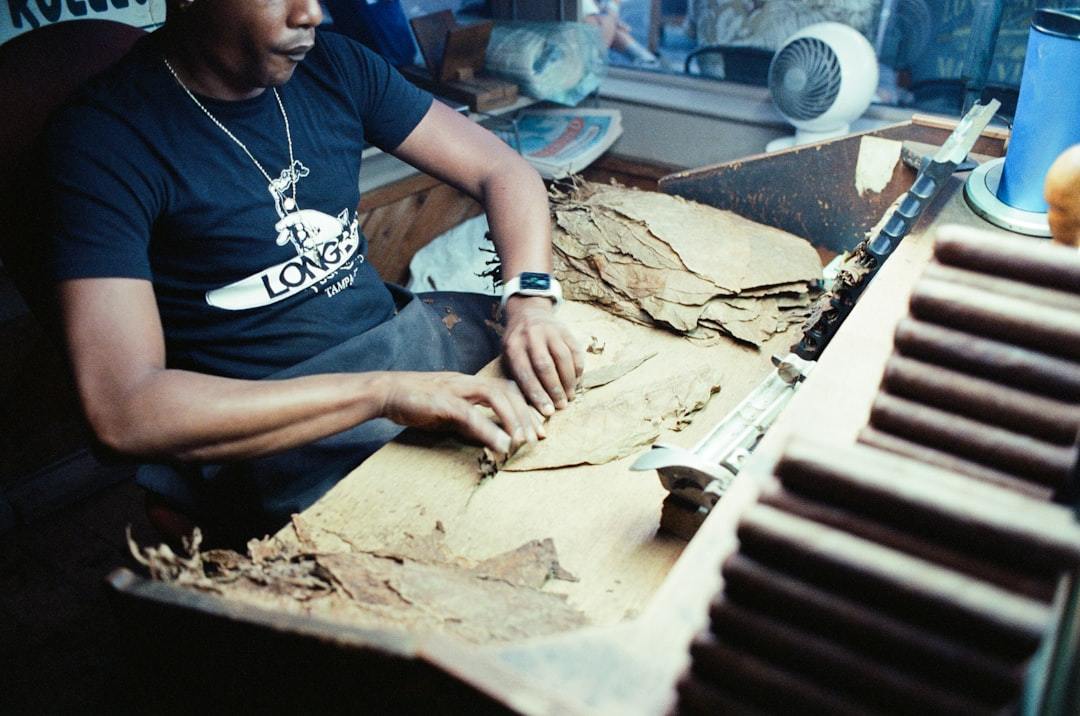
In the world of premium cigars, preservation is everything. A cigar's flavor, aroma, and overall experience are intrinsically linked to its environment. This is where the humidor comes in, not just as a box, but as a crucial guardian of quality. For retailers, cigar lounges, and businesses, bypassing intermediaries and sourcing directly from a cigar humidor factory offers unparalleled advantages. It opens up opportunities for better pricing on wholesale orders, direct control over quality, and the exciting possibility of creating fully customized products. Partnering with a manufacturer means you're closer to the craftsmanship, influencing everything from material selection to the final finishing touches, ensuring the end product aligns perfectly with your brand's standards and vision.
The Heart of the Humidor: The Unmatched Importance of Spanish Cedar
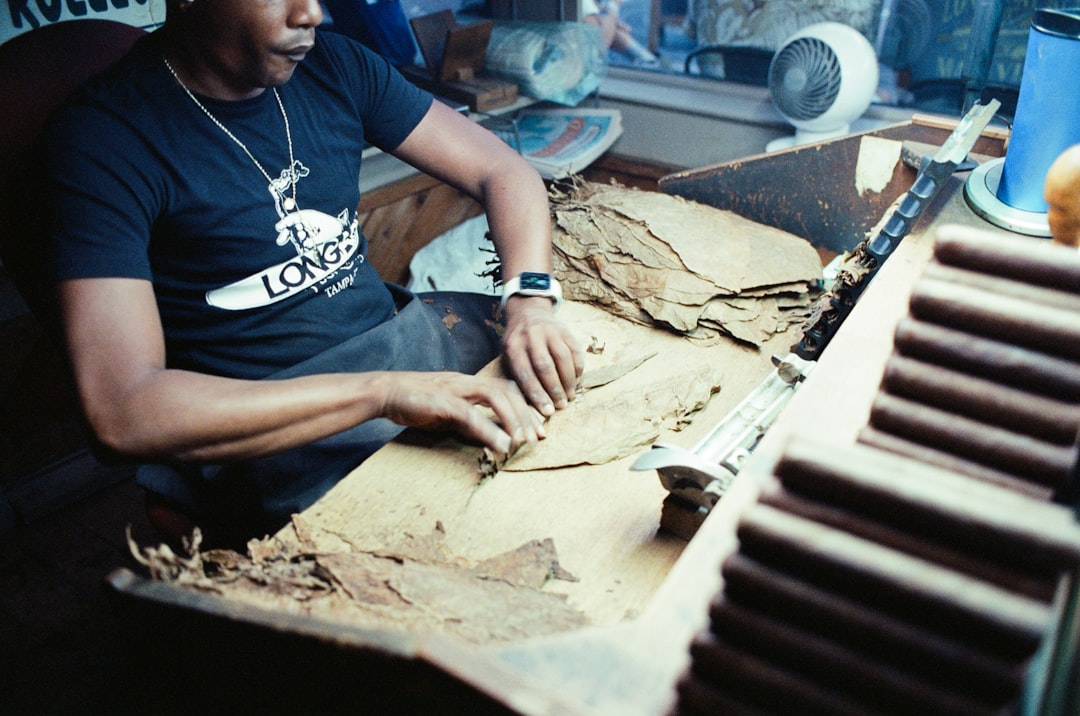
Walk into any high-quality humidor, and you'll be greeted by the distinct, pleasant aroma of Spanish cedar. This isn't just for show; Spanish cedar is the gold standard for humidor interiors for several key reasons. Firstly, it has exceptional moisture-retention capabilities, allowing it to absorb excess humidity and release it when needed, creating a stable internal climate. Secondly, its natural oils deter tobacco beetles, a pest that can devastate a valuable cigar collection. Lastly, the aromatic properties of the wood are believed to enhance the aging process of cigars, subtly contributing to their complex flavors over time. A reputable factory understands that the quality of the Spanish cedar lining is non-negotiable for a superior humidor.
More Than Just Wood: A Look at Materials and Finishes
While Spanish cedar rules the interior, the exterior of a humidor is a canvas for aesthetic expression. Manufacturers work with a wide array of materials to suit different tastes and price points. High-end custom humidors might feature exotic hardwoods like Mahogany, Cherry, or Maple. For a more modern aesthetic, materials like carbon fiber, glass, and brushed metal are becoming increasingly popular. The finish is equally important, with options ranging from high-gloss lacquers that create a sleek, polished look to matte finishes that offer a more understated elegance. A good factory will offer a diverse portfolio of materials and finishes, allowing you to create a product that is both functional and a work of art.
The Manufacturing Journey: A Step-by-Step Glimpse
The creation of a humidor is a blend of precision woodworking and technological integration. The process begins with careful material selection and preparation, ensuring the wood is properly dried and stable. The core structure is typically built using a stable base like MDF (Medium-Density Fiberboard) to prevent warping in high-humidity conditions. A veneer of Spanish cedar is then meticulously applied to the interior. The exterior is veneered with the chosen decorative wood or finish. Craftsmen then cut, assemble, and seal the box, paying close attention to creating an airtight seal, which is critical for maintaining humidity. Finally, hardware like hinges, locks, and the humidification system are installed and calibrated.
OEM vs. ODM: Which Customization Path Suits Your Brand?
When you partner with a humidor factory, you'll encounter two main collaboration models: OEM (Original Equipment Manufacturer) and ODM (Original Design Manufacturer). Understanding the difference is key to choosing the right path for your business.
- OEM (Original Equipment Manufacturer): In this model, you provide the factory with your own complete design and specifications. The factory acts as your production arm, building the product exactly as you've designed it. This is ideal for brands with in-house design capabilities that want full creative control.
- ODM (Original Design Manufacturer): In this model, you select from the factory's existing product designs and customize them with your branding, colors, or minor modifications. This is a faster, more cost-effective option for businesses that want to launch a branded product without investing heavily in research and development.
| Feature | OEM (Original Equipment Manufacturer) | ODM (Original Design Manufacturer) |
|---|---|---|
| Design | Provided by the client | Based on the factory's existing catalog |
| Control | Full creative and technical control | Limited to branding and minor tweaks |
| Investment | Higher upfront cost in R&D | Lower upfront cost |
| Time to Market | Longer | Faster |
The Manufacturer's Checklist: Key Elements of a High-Quality Humidor
A superior humidor is more than the sum of its parts. Reputable factories focus on a checklist of critical quality elements. An airtight seal is paramount; a simple test is to close the lid on a banknote and see if it holds firmly. The quality of the Spanish cedar lining ensures proper humidity regulation and aroma. Precise construction prevents warping and ensures durability. Finally, a reliable humidification system and a calibrated hygrometer are essential for accurate environmental control. These components work in concert to protect the investment inside.
The Art of Humidification: From Traditional to Advanced Digital Systems
The soul of a humidor is its ability to maintain humidity, typically between 65% and 72% RH. Traditional systems use a simple sponge or floral foam in a ventilated case, saturated with distilled water or a propylene glycol solution. While effective, they require regular monitoring. In recent years, electronic and digital systems have revolutionized humidification. These smart humidors feature sensors and fans to circulate air and maintain a precise humidity level automatically. Some are even Wi-Fi enabled, allowing you to monitor and adjust settings via a smartphone app, offering the ultimate in convenience and peace of mind. Investing in advanced technology ensures your cigars are always in perfect condition.
Elevate Your Business: The Power of Custom-Branded Humidors
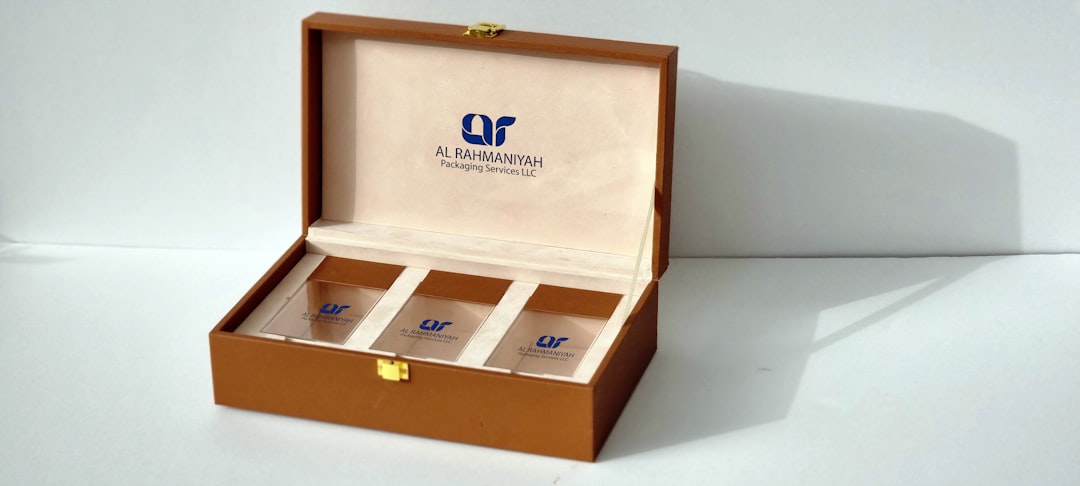
For tobacco shops, corporate gifts, or premium brands, a custom-branded humidor is a powerful marketing tool. It transforms a functional object into a statement of luxury and quality. A factory can incorporate your logo through various methods like engraving, inlay, or printing. This level of personalization strengthens brand identity and creates a lasting impression on clients and customers. A bespoke humidor carrying your brand name serves as a constant reminder of your commitment to the cigar lifestyle, fostering loyalty and elevating your perceived value.
The Unseen Essential: Quality Control in Humidor Manufacturing
Behind every great humidor is a rigorous quality control (QC) process. From the moment raw materials arrive until the final product is packaged, every step is scrutinized. QC checks include verifying the moisture content of the wood, ensuring the precision of cuts and joints, testing the integrity of the seal, and calibrating every hygrometer. This meticulous attention to detail is what separates a premium manufacturer from the rest. It guarantees that every unit that leaves the factory meets the highest standards of performance and craftsmanship, protecting both the cigars and the brand's reputation.
Finding the Right Partner: How to Select a Humidor Factory
Choosing the right manufacturing partner is crucial for success. Start by researching factories that specialize in the type of humidor you need—be it desktop models, large cabinets, or travel cases. Look for suppliers with a proven track record, positive client reviews, and industry certifications (like ISO 9001). Request samples to evaluate their craftsmanship firsthand. Clear communication is key; ensure the factory's team understands your vision and is responsive to your needs. A good partner will be transparent about their production process, lead times, and pricing, acting as a true collaborator in bringing your product to life.
The Future of Storage: Innovations in Humidor Technology and Design
The world of cigar storage is constantly evolving. The future points towards even greater integration of technology and design. We are seeing a rise in climate-controlled cabinets that manage both humidity and temperature, which is especially important in warmer climates. Biometric locks, such as fingerprint scanners, offer enhanced security. Sustainable materials and energy-efficient electronic systems are also gaining traction as consumers become more environmentally conscious. As technology advances and aesthetics change, the humidor will continue its transformation from a simple storage box into a sophisticated piece of smart home technology, designed for the modern connoisseur.