From Timber to Treasure: An Inside Look at a Modern Cigar Humidor Factory
- Share
- Issue Time
- Oct 23,2026
Summary
Discover the meticulous craftsmanship behind every high-quality cigar humidor. This article takes you inside a leading cigar humidor factory, exploring the journey from raw wood selection and construction to the final seal that protects your precious collection. Learn what separates an heirloom piece from a simple box.
Introduction: More Than Just a Box
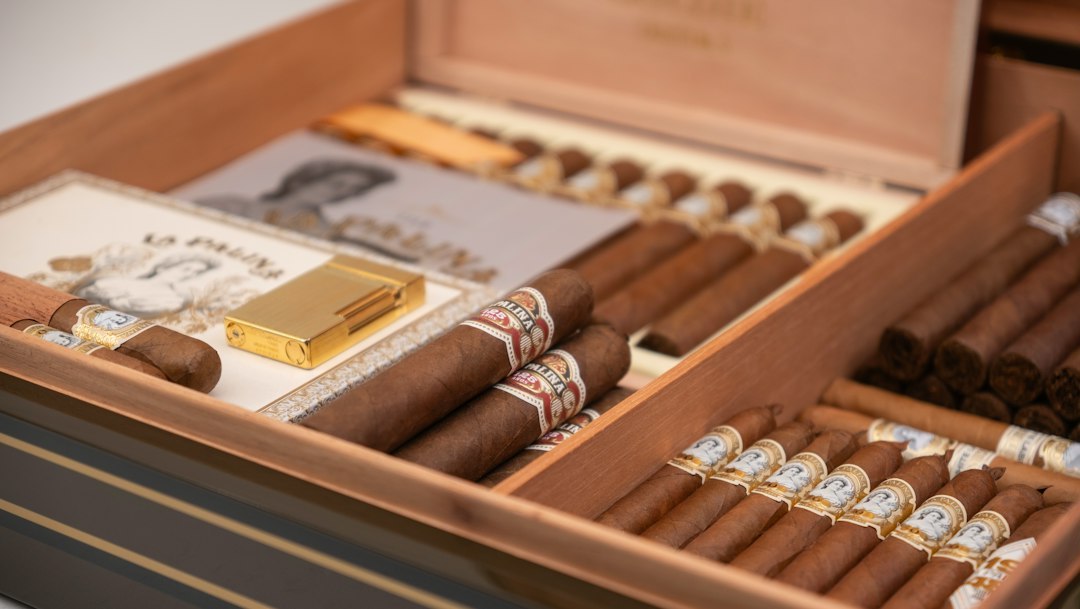
A cigar humidor is far more than a simple wooden box; it is a meticulously engineered environment designed to protect and age your valuable cigar collection. For aficionados, it's a treasure chest that safeguards investments and enhances the smoking experience. The journey from a raw piece of timber to a finished, heirloom-quality humidor is a fascinating blend of traditional craftsmanship and modern manufacturing precision. At a premier cigar humidor factory, every step is a testament to the pursuit of perfection. This is where art meets science to create the ideal sanctuary for your cigars.
Blueprint for Perfection: The Design & Engineering Phase
Every great humidor begins on the drawing board. Long before the first piece of wood is cut, designers and engineers collaborate to create a blueprint for perfection. This phase involves computer-aided design (CAD) to model the humidor's structure, ensuring every joint, seal, and component fits with micron-level accuracy. Aesthetics are paramount, with designs ranging from classic and understated to modern and ornate, but functionality is the true king. The primary goal is to create a perfectly sealed enclosure that can maintain a stable relative humidity, the very essence of a humidor's purpose.
Selecting the Soul: The Critical Choice of Spanish Cedar
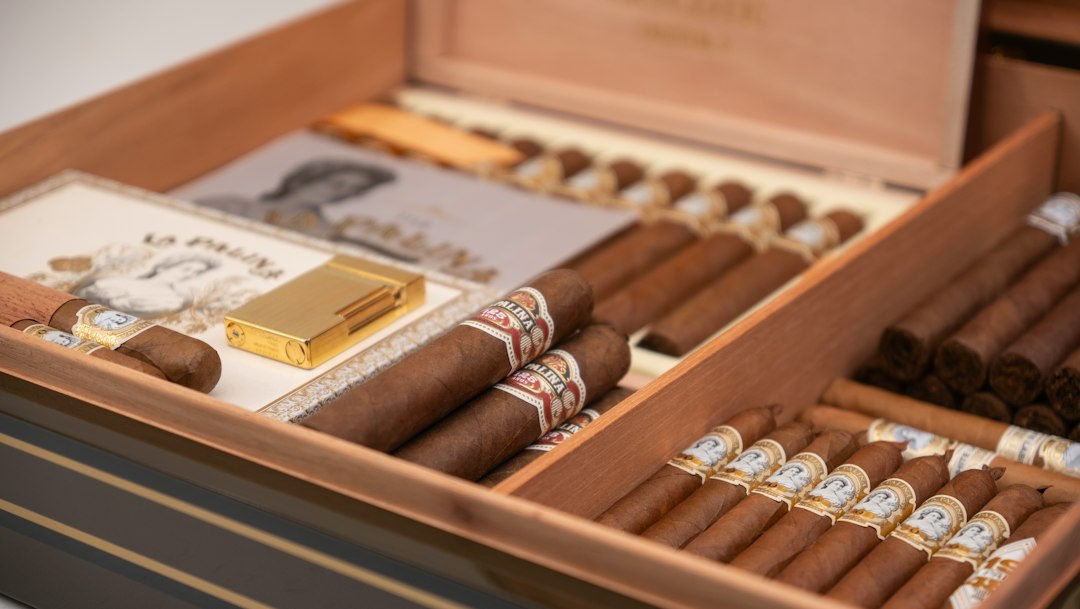
The heart and soul of any premium humidor is its interior lining, and the undisputed champion for this role is Spanish Cedar (Cedrela odorata). Despite its name, it's a hardwood, not a cedar, and its properties are legendary in the cigar world. A humidor factory's wood selection process is rigorous. The Spanish Cedar chosen must have the right moisture content, grain, and aromatic intensity. Its natural oils absorb excess moisture, repel tobacco beetles, and impart a subtle, spicy aroma that beautifully complements aging cigars. While other woods like American Red Cedar or Mahogany may be used for exteriors, the interior sanctum is almost exclusively reserved for this prized timber.
The Art of the Cut: Precision Woodworking
Once the designs are finalized and the wood is selected, the manufacturing process begins. Modern cigar humidor factories utilize a combination of advanced machinery and skilled artisanry. Computer Numerical Control (CNC) machines execute cuts with flawless precision, ensuring every panel and joint is perfectly dimensioned. This accuracy is crucial for the most critical aspect of a humidor: the seal. Techniques like miter joints, finger joints, or even high-end dovetail joints are used not just for strength and beauty, but to create a foundation for an airtight container.
Assembling the Foundation: Constructing the Core Box
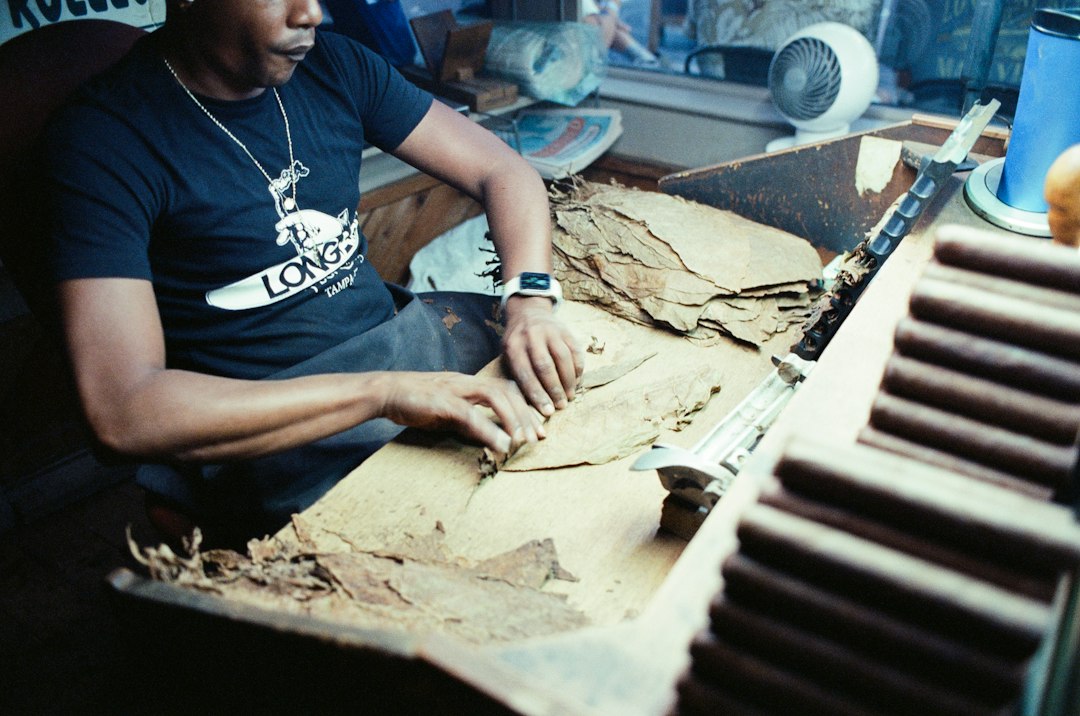
With all pieces cut, skilled woodworkers begin the assembly. This is where the humidor starts to take shape. Using high-strength, non-toxic wood glues, the exterior frame and interior lining are carefully joined. Clamps are used to hold the pieces together under pressure, ensuring a tight, gap-free bond. During this stage, the focus is on creating a structurally sound and perfectly square box. Any imperfection here could compromise the seal and render the humidor ineffective, making this a stage of intense quality control.
The Inner Sanctum: Meticulous Spanish Cedar Lining
Installing the Spanish Cedar lining is a delicate process. The thin planks of cedar must be fitted perfectly within the exterior box. This includes not just the walls but also the floor and the underside of the lid. Often, dividers and trays, also made of Spanish Cedar, are crafted to fit snugly inside, allowing for better organization and air circulation around the cigars. The raw, unfinished surface of this interior wood is what will interact directly with the humidity and your cigars, making its quality and installation vital.
Achieving the Perfect Seal: Lids, Hinges, and Insets
The 'whoosh' sound heard when closing a high-quality humidor is the sound of a perfect seal. This is achieved through a combination of precise construction and superior hardware. The lid must meet the box with absolute uniformity. Many premium humidors feature an 'inset' design, where a lip of Spanish Cedar on the box fits perfectly into a channel on the lid, creating a tight closure. Heavy, high-quality hinges, such as quadrant or piano hinges, are used to ensure the lid opens smoothly and closes with consistent pressure, maintaining the integrity of the seal for decades.
| Hinge Type | Pros | Cons | Best For |
|---|---|---|---|
| Quadrant Hinge | Strong, elegant, supports the lid when open | More expensive, requires precise installation | High-end, heirloom quality humidors |
| Piano Hinge | Provides continuous support along the lid | Less aesthetically refined | Functional, large, or high-use humidors |
| Butt Hinge | Simple, inexpensive, easy to install | Less support, can lead to lid misalignment | Entry-level or budget-conscious humidors |
A Flawless Finish: The Art of Lacquering and Polishing
While the interior is all about function, the exterior is a canvas for beauty. The finishing process at a top-tier humidor factory is multi-stepped and labor-intensive. It begins with meticulous sanding to create a perfectly smooth surface. Then, multiple layers of lacquer or varnish are applied, with fine sanding between each coat. This builds up a deep, lustrous finish that not only protects the exterior wood from scratches and environmental changes but also enhances the natural beauty of the grain. The final stage involves polishing and buffing to achieve a glass-like shine.
The Brains of the Box: Integrating the Humidification System
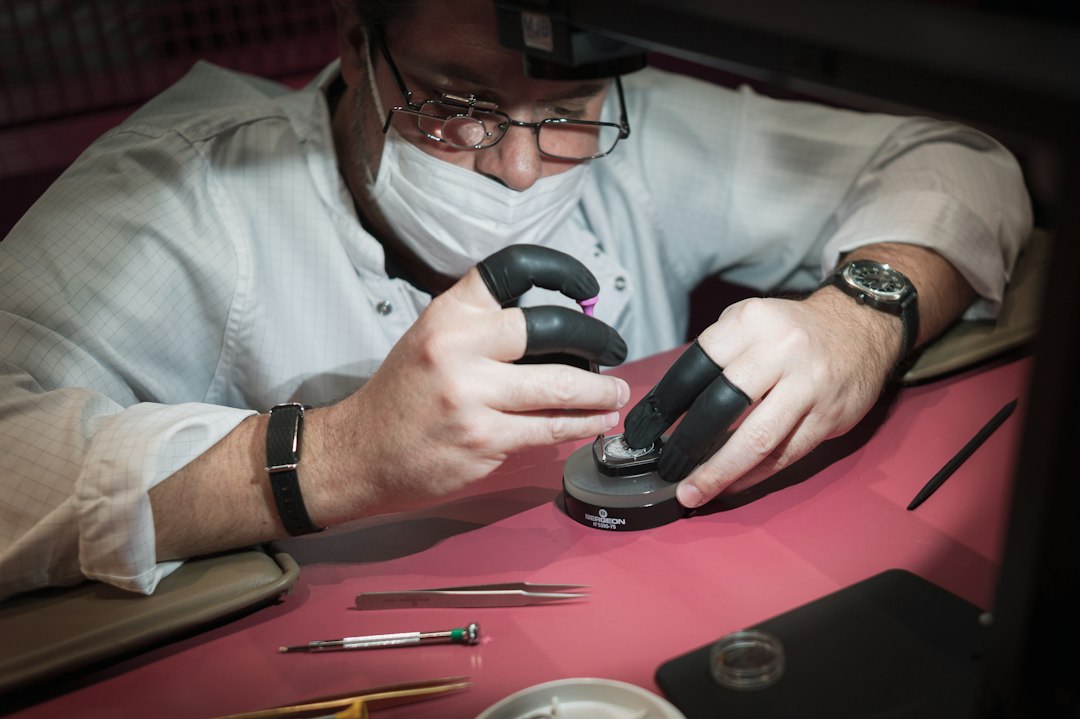
A humidor is incomplete without its humidification system. Factories will install or include a device tailored to the humidor's volume. This can range from a simple foam-based florist oasis (found in entry-level models) to crystal gel humidifiers or advanced electronic systems that actively monitor and regulate relative humidity (RH). A quality hygrometer, whether analog or digital, is also installed to allow the user to monitor the conditions inside. Proper placement of these devices is key to ensuring even humidity distribution.
Final Inspection: The Unforgiving Quality Control Process
Before any humidor leaves the factory, it undergoes a rigorous final quality control inspection. Every aspect is scrutinized: the integrity of the seal (often tested with a light or dollar bill test), the smoothness of the finish, the function of the hardware, and the calibration of the hygrometer. The inspector is the final gatekeeper, ensuring that the product meets the factory's high standards and is worthy of protecting a customer's prized cigar collection. Only after passing this final test is the humidor cleaned, packaged, and prepared for its new home.
From Our Factory to You: What to Look for in a Humidor
Understanding the manufacturing process empowers you as a consumer. When purchasing a humidor, look for thick walls, a solid Spanish Cedar lining, and strong, well-fitted hinges. Pay close attention to the seal—it should close tightly and evenly. A high-gloss, multi-layered finish often indicates a higher level of craftsmanship. By recognizing these hallmarks of quality, born from the meticulous processes of a dedicated cigar humidor factory, you can choose a humidor that will serve as a reliable and beautiful guardian for your cigars for years to come.