Freestanding vs. Built-in Wine Coolers: A Definitive Guide to Choosing the Perfect Home Wine Cooler
- Share
- Issue Time
- May 11,2026
Summary
This guide explores the key differences between freestanding and built-in models, covering everything from installation and placement to cost, capacity, and features.
Freestanding vs. Built-in Wine Coolers: A Definitive Guide to Choosing the Perfect Home Wine Cooler
For any wine enthusiast, from the casual drinker to the serious collector, proper storage is paramount to preserving the intricate flavors and aromas of your favorite bottles. A dedicated wine cooler is a specialized appliance designed to maintain the optimal temperature, humidity, and stability your wine needs. But with two primary types on the market—freestanding and built-in—how do you choose? This comprehensive guide will walk you through the essential differences, helping you make an informed decision that suits your home, collection, and lifestyle.
What is a Freestanding Wine Cooler?
A freestanding wine cooler is a standalone unit designed to be placed almost anywhere in your home. It vents from the back or sides, requiring adequate clearance—typically a few inches on all sides—for proper air circulation to dissipate heat. These units are not meant to be enclosed within cabinetry.
What is a Built-in Wine Cooler?
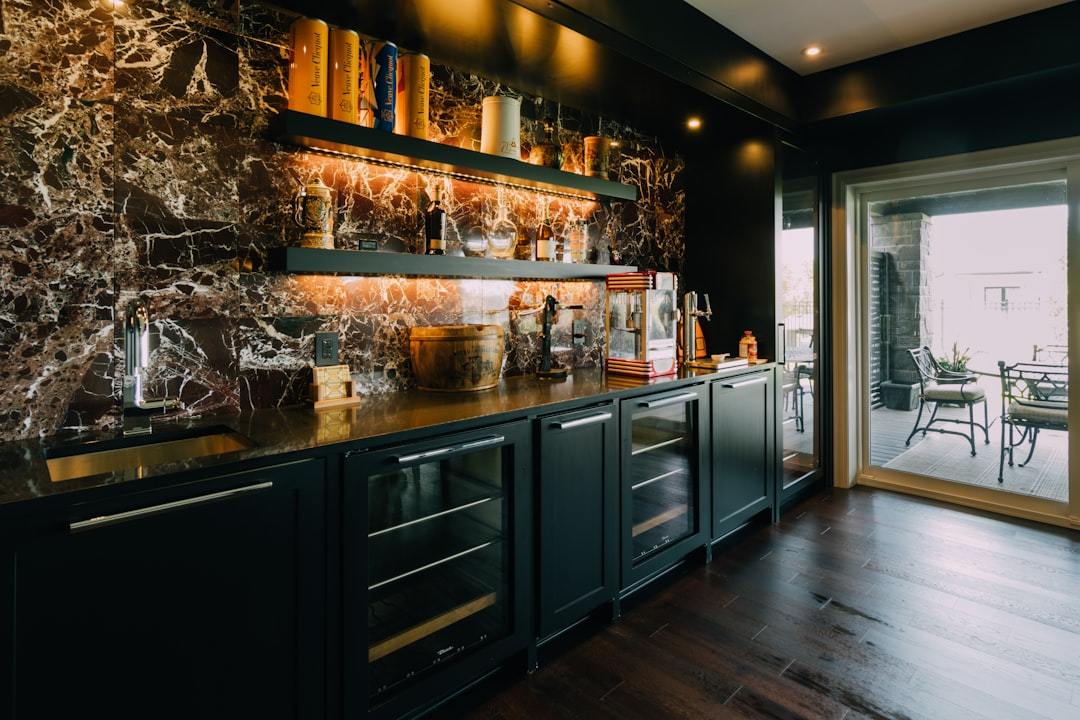
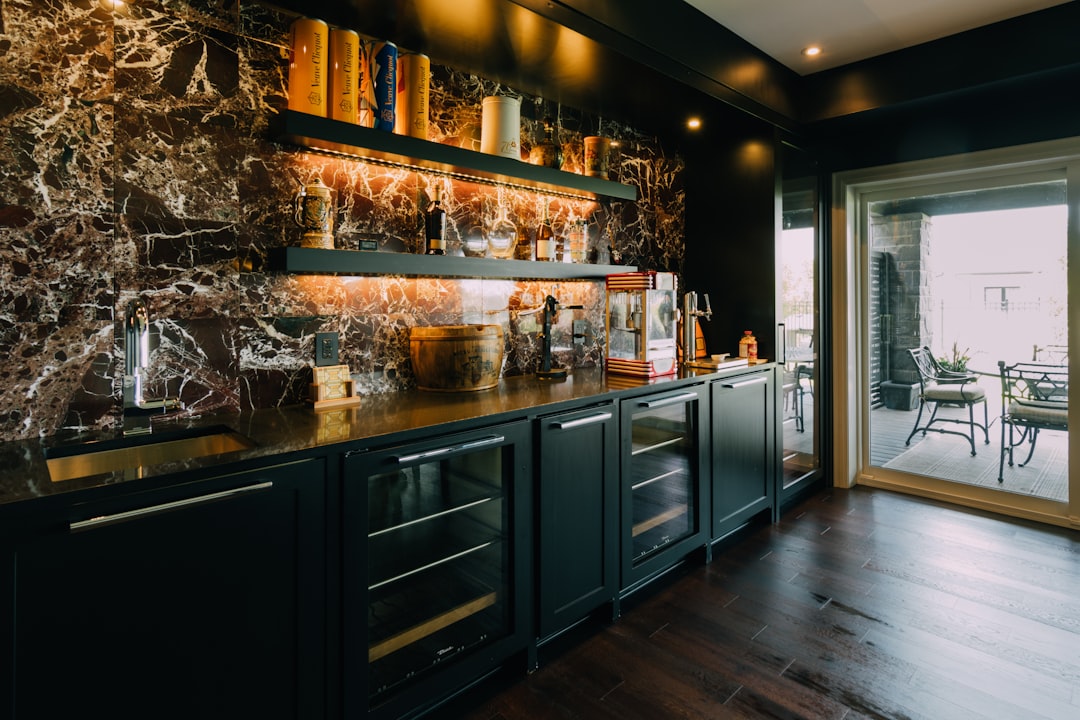
A built-in, or integrated, wine cooler is specifically designed to be installed flush with your existing cabinetry, often under a counter or within a custom cabinet stack. Their key design feature is a front-facing ventilation system, which allows them to operate efficiently without needing space around the sides or back.
Core Differences: Installation and Placement Flexibility
The most significant distinction between the two types lies in their installation and placement.
- Freestanding: Offers ultimate flexibility. You can place it in your kitchen, dining room, basement, or even a home office, as long as there's a power outlet and sufficient ventilation space. They are easy to set up—just plug them in—and can be moved if you rearrange furniture or relocate.
- Built-in: Provides a seamless, high-end look by integrating directly into your cabinetry. This makes them a fantastic space-saving option, especially in smaller kitchens. However, installation is more complex, often requiring professional help, and once installed, they are difficult to move.
Design and Aesthetics: The Visual Appeal
Your choice will also heavily depend on your home's aesthetic.
- Built-in coolers excel at creating a sleek, clean, and modern appearance. They can be fitted with panel-ready doors to match your cabinets perfectly, making them almost invisible.
- Freestanding coolers, while still stylish, are more of a statement appliance. They come in various finishes but will always be a visible, standalone piece of furniture.
Capacity and Sizing: How Big is Your Collection?
Consider both your current collection and your future collecting ambitions.
- Freestanding units generally offer a broader range of sizes, from small countertop models holding a dozen bottles to large-capacity units that can store hundreds.
- Built-in units are often constrained by standard cabinet dimensions, typically being more compact. However, you can install multiple units side-by-side (in-column) for expanded storage. They are ideal for the enthusiast with a moderate, curated collection.
Temperature Zones: Single, Dual, or Multi-Zone?
Different wines are best stored at different temperatures. This is where temperature zones become critical.
- Many freestanding coolers, especially entry-level models, offer a single temperature zone, which is perfect if you primarily collect one type of wine (e.g., all reds).
- Built-in coolers more commonly feature dual-zone or even multi-zone capabilities. This allows you to store reds and whites in separate, individually controlled compartments at their ideal respective temperatures, a must-have feature for diverse collections.
| Feature | Freestanding Wine Cooler | Built-in Wine Cooler |
|---|---|---|
| Ventilation | Rear or side; requires clearance | Front; allows for flush installation |
| Placement | Highly flexible; can be placed anywhere with power | Integrated into cabinetry; fixed position |
| Cost | Generally more affordable | Typically more expensive due to design and installation |
| Installation | Simple plug-and-play | More complex; may require professional help |
| Capacity | Wider range of sizes available, often larger | Often more compact due to cabinet sizing |
| Aesthetics | Standalone appliance | Seamless, integrated look |
Cost Consideration: Budget vs. Long-Term Value
Generally, freestanding wine coolers are more budget-friendly upfront. Their standardized production and simple installation keep costs down. Built-in models represent a larger initial investment due to their specialized ventilation and the potential need for professional installation. However, some argue that built-in units, with better insulation from surrounding cabinetry, may be more energy-efficient in the long run, potentially saving on utility bills over time.
Cooling Technology: Compressor vs. Thermoelectric
While both types can use either technology, understanding the difference is key.
- Compressor systems are more powerful, can reach lower temperatures, and are less affected by ambient room temperature. They are commonly found in built-in and larger freestanding models. The downside is they can produce more noise and slight vibrations.
- Thermoelectric systems are whisper-quiet and vibration-free, which is excellent for preserving delicate wine sediment. However, they are less powerful and are best suited for environments with stable room temperatures. They are more common in smaller, freestanding coolers.
Which Wine Cooler is Right for You?
Making the final decision involves weighing these factors against your personal needs.
Choose a Freestanding Cooler if:
- You are on a tighter budget.
- You want flexibility in placement and might move the unit later.
- You have a large collection and need a high-capacity unit.
- You prefer a simple, plug-and-play setup.
Choose a Built-in Cooler if:
- A seamless, integrated aesthetic is your top priority.
- You are short on floor space and want to utilize cabinet space.
- You have a diverse collection of red and white wines requiring dual temperature zones.
- You are undertaking a kitchen remodel and can plan for its installation.
Final Thoughts: Protecting Your Investment
Ultimately, whether you choose a freestanding or built-in model, you are investing in the preservation and enjoyment of your wine. Both types serve the essential purpose of protecting your bottles from harmful fluctuations in temperature, light, and humidity. By carefully considering your space, collection size, design preferences, and budget, you can confidently select the perfect wine cooler to elevate your home and ensure every glass you pour is as perfect as the winemaker intended.