Beyond the Bottle: A Guide to Large Capacity and Flexible Beverage & Wine Coolers for the Modern Collector
- Share
- Issue Time
- Nov 25,2026
Summary
Unlock the full potential of your collection with our expert guide to large-capacity and flexible beverage coolers. Discover how modular shelving, dual-zone technology, and smart features can transform your storage from a simple appliance into a scalable, future-proof solution. Learn to select a cooler that adapts to your growing needs, preserving every bottle perfectly.
Your Collection is Growing. Is Your Cooler Keeping Up?
For any serious collector of fine wines and craft beverages, the initial excitement of acquiring new bottles is often followed by a familiar challenge: where to store them. That first 12-bottle cooler, once a proud purchase, quickly becomes a puzzle of fitting mismatched bottle shapes into rigid slots. The problem isn't just about space; it's about preservation, organization, and a storage solution that can evolve with your passion. Continuing with an inadequate system risks not only clutter but the integrity of your valuable collection.
This is where embracing the principles of large-capacity and flexible storage becomes essential. Moving beyond standard, fixed-format appliances to modular, adaptable beverage and wine coolers is the key to creating a system that serves you both today and for years to come. It's about shifting your mindset from a simple refrigerator to a scalable, personal cellar.
H2: Understanding the Core Principles of Flexible Beverage Storage
The most innovative storage solutions, whether for data centers or home pantries, are built on flexibility and scalability. For beverage coolers, this means adjustable shelving, modular components, and multi-functional zones. A truly flexible cooler allows you to reconfigure the interior to accommodate a changing collection—from standard Bordeaux bottles to wider Champagne, taller Rieslings, and even craft beer cans. This adaptability ensures that every inch of expensive cooled space is utilized effectively.
H2: Step 1: Accurately Assess Your Current and Future Collection Needs
Before investing, take a detailed inventory. Don't just count your bottles; categorize them. How many are for long-term aging versus ready-to-drink? What are the primary bottle shapes and sizes? Most importantly, project your growth. A common mistake is buying for the collection you have, not the one you'll have in two or five years. A good rule of thumb is to choose a cooler with at least 30% more capacity than your current inventory.
H2: Step 2: Prioritize Modular and Adjustable Shelving
The hallmark of a flexible wine cooler is its shelving system. Look for shelves that can be easily removed or repositioned at different heights. This allows you to create custom-sized sections for different beverage types. Some high-end models offer interchangeable rack styles, such as scalloped shelves for standard wine bottles and flat surfaces for stacking cans or housing irregular bottles. This modularity is critical for maximizing your unit's internal real estate.
| Feature | Standard Cooler | Flexible Cooler |
|---|---|---|
| Shelving | Fixed, uniform slots | Removable, adjustable, modular |
| Capacity | Rigid bottle count | Adaptable to various shapes/sizes |
| Zones | Often single temperature | Dual or multi-zone for different beverages |
| Scalability | Standalone unit | Can be paired with matching units |
H2: Step 3: Embrace Dual-Zone and Multi-Zone Technology
A diverse collection requires diverse storage conditions. A single-zone cooler forces a compromise—too cold for aging reds, too warm for serving champagne. A dual-zone or multi-zone cooler creates independent climates within the same unit. This allows you to maintain one section at a cellar-like 55°F (12°C) for aging red wines, while keeping another section at a crisp 40°F (4°C) for whites, rosés, and beers. This is the ultimate in storage flexibility, ensuring every beverage is kept in its ideal environment.
H2: Large Capacity Doesn't Mean Unmanageable Size
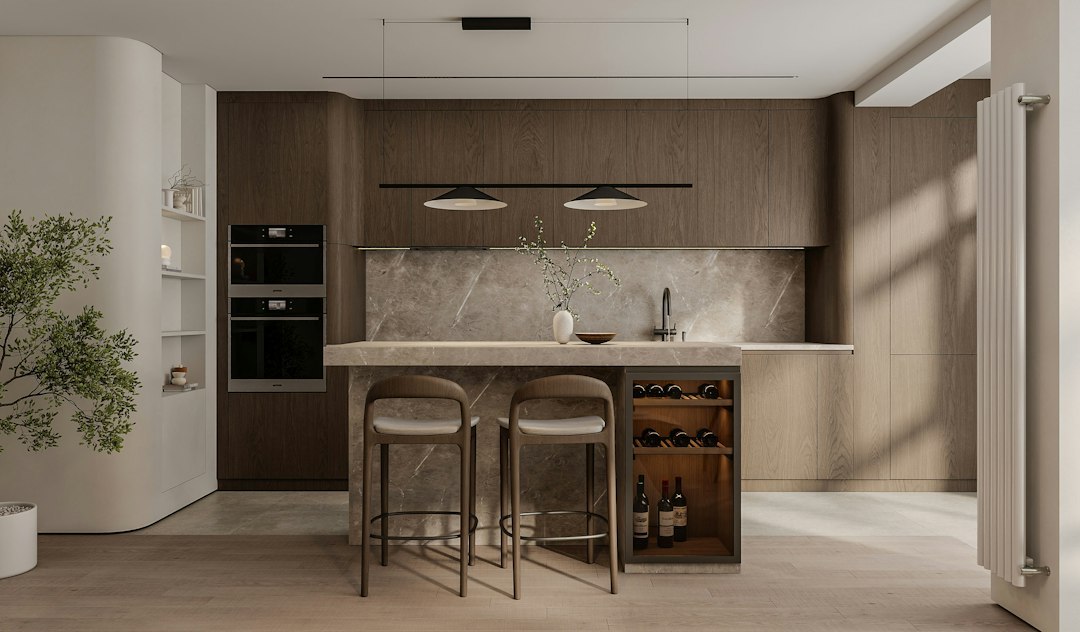
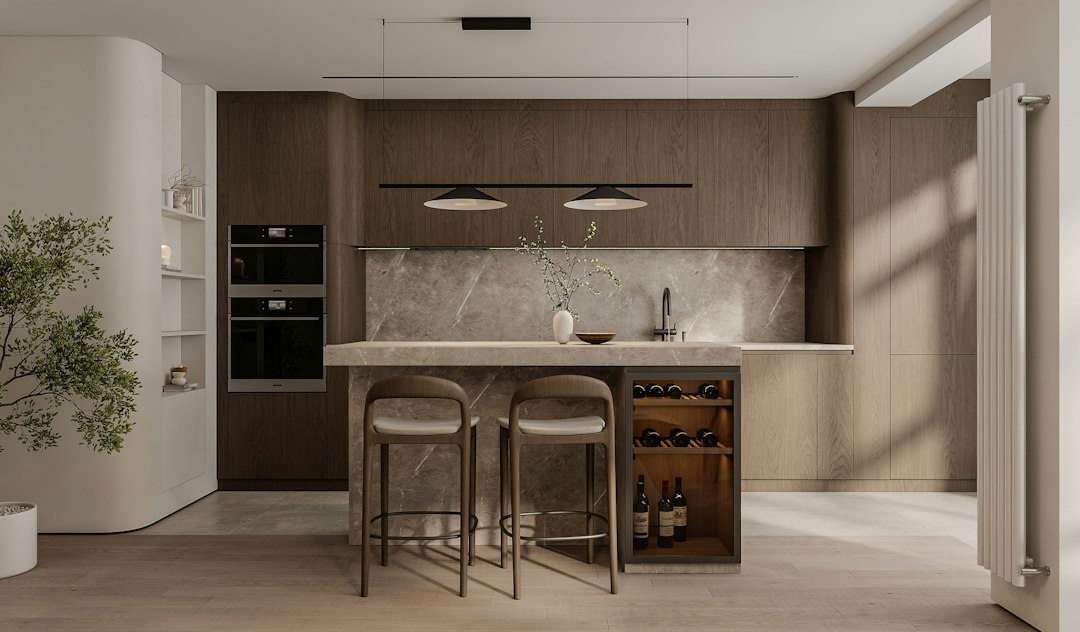
Modern engineering has made it possible to achieve high-density storage without occupying your entire kitchen. Look for designs that maximize vertical space and offer a slim profile. Built-in, under-counter models can offer substantial capacity (up to 100+ bottles) while integrating seamlessly into your cabinetry. For those with more significant collections, freestanding column units can be paired together, creating a modular wall of storage that can expand as your needs grow.
H2: The Importance of UV Protection and Vibration Control
Flexibility is useless if the core preservation features are lacking. Light and vibration are two of the biggest enemies of fine wine. A quality cooler must have a UV-protective glass door to prevent light damage, which can prematurely age and spoil wine. Furthermore, the compressor should be mounted on vibration-dampening materials to create a still environment, allowing your wines to mature gracefully without disturbance.
H2: Smart Features: The Next Frontier in Flexible Storage
The smartest beverage coolers now incorporate technology that adds another layer of flexibility and control. Features like Wi-Fi connectivity allow you to monitor and adjust temperatures remotely via a smartphone app. Some systems even include inventory management software, enabling you to scan bottles as you add them and keep track of your collection digitally. This tech-forward approach ensures you're not just storing your beverages, but actively managing them.
H2: Case Study: From a Crowded Fridge to a Cohesive Collection
Consider a collector who started with a mix of craft beers, a growing wine portfolio, and assorted sodas all crammed into a single-temperature dorm fridge. The result: disorganized, improperly chilled beverages and wasted space. By upgrading to a 24-inch under-counter dual-zone cooler with adjustable shelves, they could dedicate the top zone to perfectly chilled beers and sodas, while the bottom zone was configured with high-capacity wine racking for their aging reds. Shelves were removed to create a bulk storage area for oddly shaped bottles, instantly transforming chaos into a functional, organized personal cellar.
H2: Planning for Maintenance and Longevity
A high-capacity cooler is a significant investment, and its longevity depends on proper maintenance. Look for models with user-friendly features like removable and easy-to-clean air filters and charcoal filters (to prevent odors). Understanding the warranty and the availability of customer service is also crucial. A reputable brand that stands behind its product provides peace of mind that your flexible storage solution is also a durable one.
H2: Final Checklist: Selecting Your Ideal High-Capacity, Flexible Cooler
When you are ready to buy, use this checklist to ensure you're making a wise investment:
- Capacity: Is it at least 30% larger than your current collection?
- Shelving: Is it adjustable, removable, and modular?
- Zoning: Does it offer dual or multi-zone temperature controls to suit your collection's diversity?
- Footprint: Does it optimize space, perhaps by using vertical height or a built-in design?
- Protection: Does it feature a UV-resistant glass door and a low-vibration compressor?
- Technology: Does it include smart features like remote monitoring or inventory management?
- Build Quality: Is it backed by a solid warranty and positive user reviews?
By prioritizing capacity and flexibility, you invest not just in an appliance, but in the future of your collection. You create a dynamic, adaptable environment that honors every bottle and ensures it can be enjoyed at its absolute best.